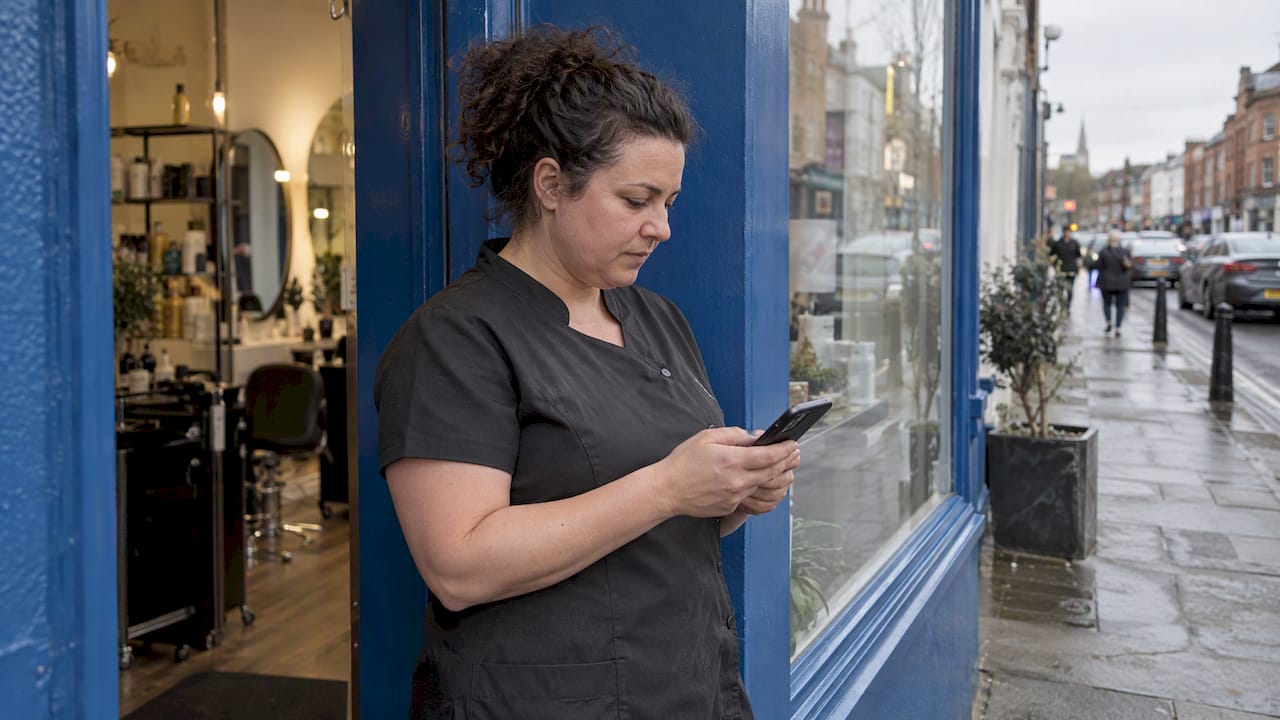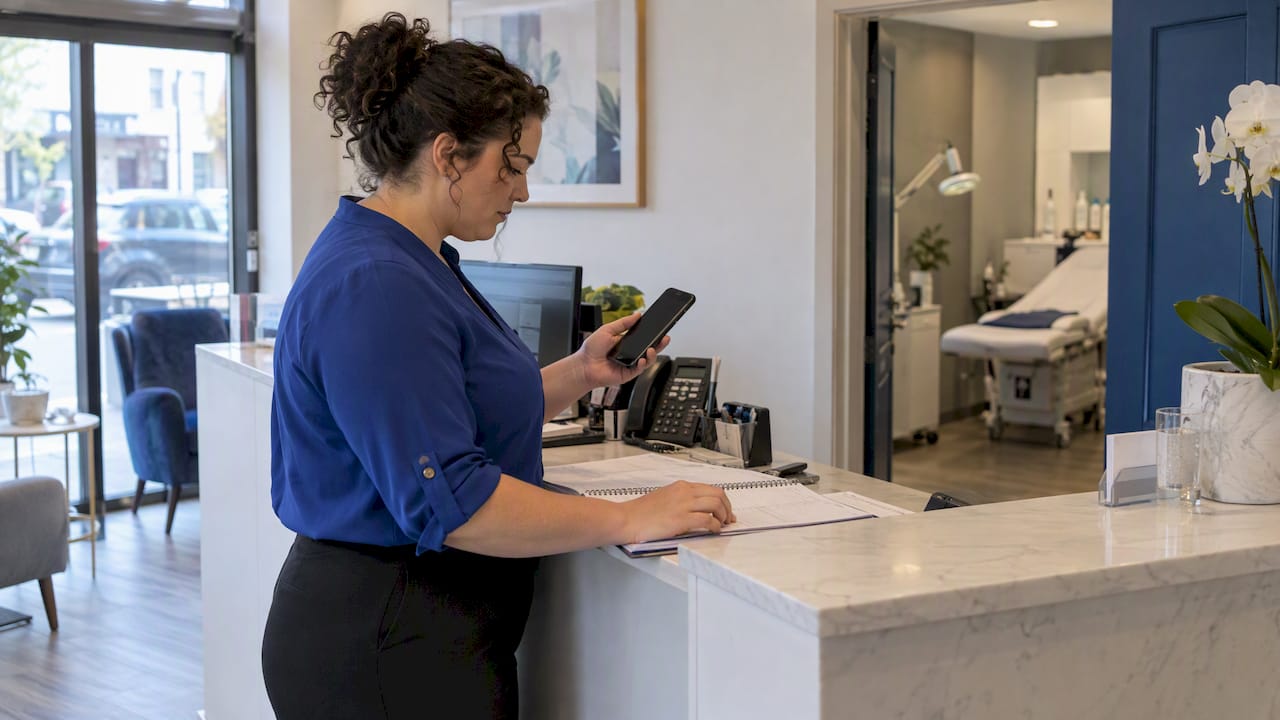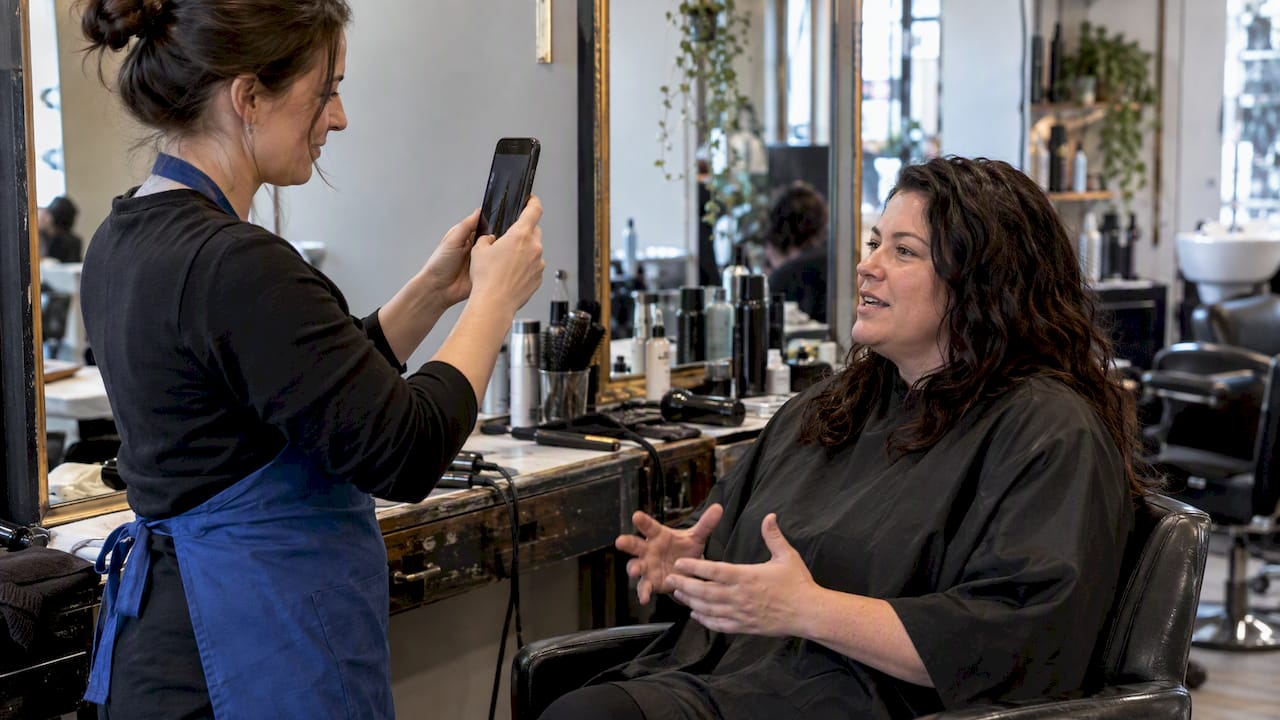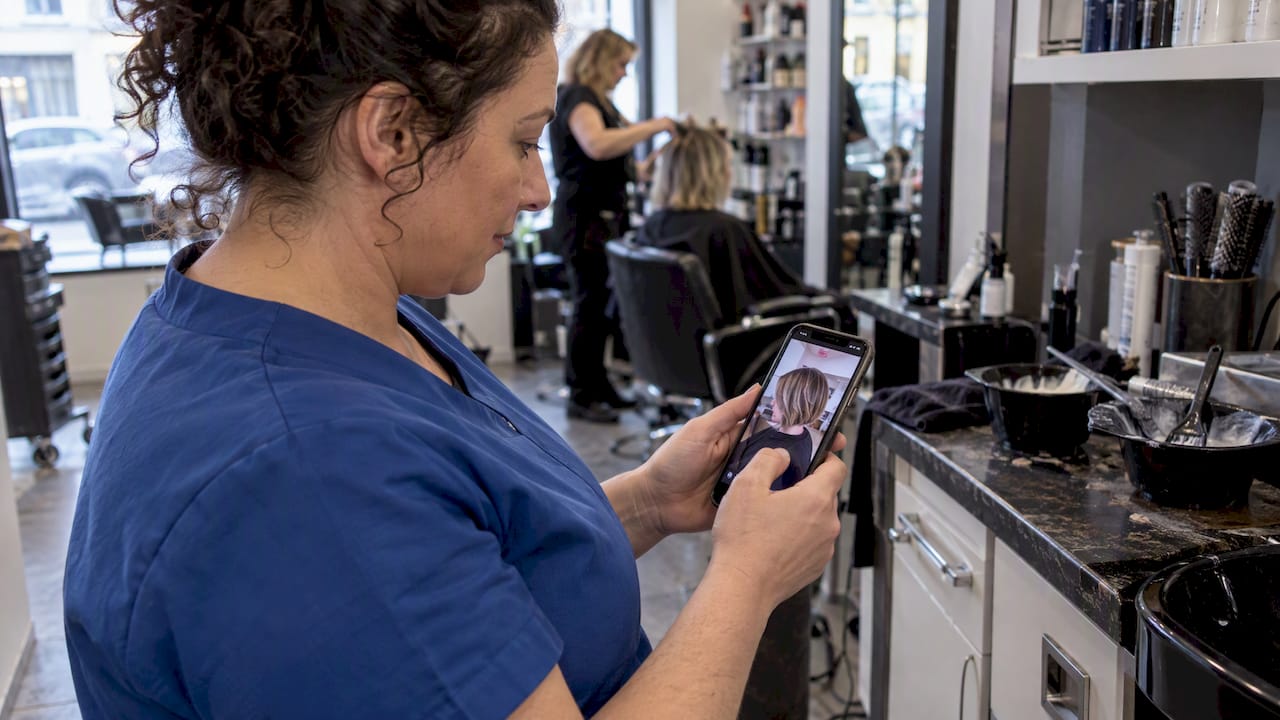

A salon social media strategy is the planned, purposeful framework that connects every post, reel, and paid ad directly to your business goals, turning followers into booked appointments. Without it, even the most beautiful before-and-after photos just fill a feed. Why salon social media needs strategy is not a question of effort. It is a question of direction. Tools like HubSpot and Buffer have documented how documented strategy separates salons that grow from those that spin their wheels. The difference is not talent or aesthetics. It is a system.
Why posting without a plan costs salons real bookings
Salons that post without a clear plan share a predictable pattern. Engagement looks decent, follower counts creep up, but the appointment book stays half-empty. Posts without booking CTAs do not convert engagement into revenue, no matter how polished the content looks. Likes and comments are vanity metrics. Bookings are business metrics.
The most common pitfalls fall into three categories:
- Inconsistent posting cadence. Posting five times one week and once the next confuses both the algorithm and your audience. Instagram and TikTok reward predictability, not bursts.
- Missing calls to action. A stunning balayage photo with no “Book the link in bio” prompt is a missed conversion. Every post needs a job.
- No measurement infrastructure. Without tracking profile visits, link clicks, and DMs alongside bookings, there is no way to prove what is working.
The most damaging consequence of posting without a plan is the inability to prove ROI because no measurement system exists connecting social activity to revenue. Salons end up guessing what to post next, repeating what got likes instead of what drove bookings. Budget gets spread across boosted posts with no clear objective, and fragmented spending drains resources without a measurable return.
Pro Tip: Before you post anything this week, ask one question: what do I want this post to make someone do? If you cannot answer that, the post is not ready.
How a social media strategy connects directly to salon business goals
A documented social media strategy acts as an operational blueprint. It connects content creation, community engagement, and paid promotion to specific, measurable outcomes like new client bookings, rebooking rates, and retail revenue. Social-first brands see a 14.1% revenue increase over peers by balancing community, content, and conversion pillars. That gap is not accidental. It is structural.
“Social media is not just a content calendar. It is a system of posts each driving specific business outcomes: discovery, connection, and invitation.” — Glammatic
The three pillars that matter most for salons are community, content, and conversion. Community means responding to comments and DMs, building relationships that keep clients loyal. Content means showing your work, educating clients on services, and building trust over time. Conversion means making it easy and obvious for someone to book. Most salons over-invest in content and ignore the other two entirely.
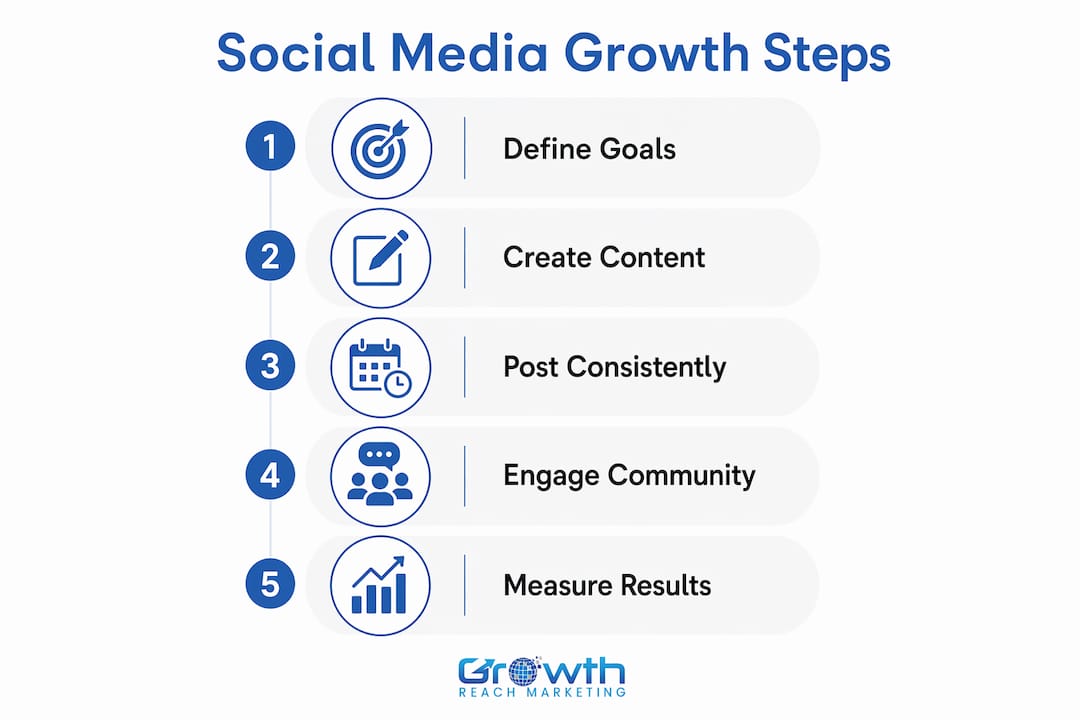
Posting cadence matters more than most salon owners realize. Buffer’s 2026 data shows that 3 to 5 posts per week sustains Instagram growth and reach, while posting below that threshold leads to stagnation. This is not about grinding out content. It is about signaling to the algorithm that your account is active and worth distributing.
| Strategy element | Business outcome |
|---|---|
| Consistent posting cadence (3 to 5x/week) | Algorithm favor, increased reach and discovery |
| Booking CTAs in every post | Direct conversion from viewer to client |
| DM response system | 70% inquiry-to-booking conversion rate |
| Retention and rebooking content | Reduces cyclical booking gaps |
| Monthly analytics review | Proves ROI and guides content decisions |
Salons that underinvest in retention and rebooking systems experience fragile growth despite strong lead generation. Attracting new clients while losing existing ones is a treadmill, not a growth engine. Strategy addresses both sides of that equation.
What are the essential components of an effective salon social media strategy?
Building a salon social media strategy that actually drives bookings requires more than choosing a posting schedule. It requires a documented plan with five interconnected components.
-
Define S.M.A.R.T. goals. “Get more followers” is not a goal. “Increase booked appointments from Instagram by 20% in 90 days” is. Every strategy starts with a specific, measurable target tied to revenue or retention.
-
Research your audience and competitors. Know which services your ideal client searches for, what questions they ask in DMs, and which local salons are winning on Instagram. Tools like Meta Business Suite and Later provide audience demographic data that removes guesswork.
-
Choose platforms based on where your clients actually are. Instagram remains the primary platform for salon discovery in 2026, with TikTok driving strong reach for video-forward content. Spreading thin across every platform produces mediocre results everywhere. Pick two and execute well.
-
Build a content pillar system. The 40-40-20 content split consistently outperforms random posting. Forty percent proof posts (before-and-afters, client results), forty percent education posts (service explanations, care tips), and twenty percent booking ask posts (direct CTAs, promotions). This structure builds trust before it asks for a sale.
-
Set up a measurement system. Track saves, shares, profile visits, link clicks, and DMs weekly. These signals matter more than likes. The Instagram algorithm in 2026 rewards shares and saves as top engagement signals, favoring accounts that generate them consistently.
Pro Tip: Create a simple weekly content template: two proof posts, two education posts, and one booking ask. Batch-create them on one day each week using Canva or CapCut to keep quality consistent without burning out.
Competitive research for salons means looking at what local competitors post, how often they post, and which posts generate saves and shares rather than just likes. A salon in your city ranking well on Instagram is not lucky. It is consistent, and its content has a clear structure you can learn from and improve on.
How to sustain your salon social media strategy long-term
A social media strategy is a living document, not a one-time setup. Platform algorithms shift, audience preferences evolve, and what worked in January may underperform by June. Salons that treat their strategy as fixed lose ground to those that review and adjust monthly.
Sustaining results comes down to four practices:
- Respond to DMs fast. Replying quickly to DMs with a clear booking process converts inquiries to appointments at a 70% rate. Slow responses drop that number significantly. A simple auto-reply acknowledging the message and sharing a booking link buys time without losing the lead.
- Use Stories and Reels for different jobs. Stories build daily connection with existing followers. Reels drive discovery with new audiences. Both belong in a weekly content rhythm, but they serve different funnel stages.
- Review analytics monthly, not daily. Daily metrics create anxiety and bad decisions. Monthly reviews reveal patterns. Focus on profile visits, link clicks, saves, and shares rather than follower count.
- Align social media with your broader marketing. Social media works harder when it connects to Google Business Profile updates, email marketing, and local SEO. Salons that integrate these channels see compounding results rather than isolated wins.
Social media results compound over months. Many salons quit after four weeks, missing the 45 to 180-day trust-building window needed for booking momentum. Consistency over six or more months produces noticeable booking growth. That timeline is not a flaw in the system. It is how trust is built. Avoiding common social media mistakes during this period protects the momentum you are building.
Key takeaways
A salon social media strategy works because it connects every post and engagement to a specific business outcome, replacing guesswork with a repeatable system that builds bookings over time.
| Point | Details |
|---|---|
| Strategy prevents wasted effort | Posts without goals and CTAs fill feeds but do not convert viewers into clients. |
| Cadence drives algorithm performance | Posting 3 to 5 times per week signals reliability to Instagram and TikTok algorithms. |
| Content pillars build trust before conversion | A 40-40-20 split of proof, education, and booking asks outperforms random posting. |
| DM response speed determines conversion | Replying quickly to inquiries converts at a 70% rate; slow responses lose bookings. |
| Results compound over months | Consistent strategy for 6 or more months produces booking growth that sporadic posting never achieves. |
Why most salons are solving the wrong problem
I have worked with enough beauty businesses to recognize the pattern immediately. A salon owner tells me their social media “isn’t working.” They assume the problem is reach, or that they need more followers, or that their content just is not good enough. Almost every time, the actual problem is somewhere else entirely.
Salons consistently misdiagnose booking problems as audience problems. The real issue is almost always a broken call-to-action or a missing booking funnel inside the content itself. A post can reach 10,000 people and generate zero bookings if it never tells anyone what to do next. That is not an audience problem. That is a strategy problem.
What I have seen work, repeatedly, is the shift from thinking about social media as a creative outlet to treating it as a converting social following into a business system. When every post has a defined job, when the content calendar has a repeatable structure, and when the team knows exactly how to handle a DM inquiry, the results become predictable. Not viral. Predictable. And predictable is far more valuable for a salon than a one-off post that blows up and books nobody.
The salons I respect most are not chasing trends. They are showing up consistently, responding to every inquiry, and reviewing their numbers monthly. That discipline is what separates a salon with a waitlist from one that is always wondering where the next client is coming from.
— Gerard
How Growthreachmarketing helps salons build strategies that book clients
Growthreachmarketing works specifically with salons and beauty businesses to build social media strategies that connect directly to bookings, not just follower counts. The team at Growthreachmarketing builds content systems, DM workflows, and posting cadences tailored to how salon clients actually discover and book services in 2026. If you are ready to move from posting and hoping to a plan that produces measurable results, the Instagram SEO guide for salons is the right place to start. It covers platform-specific tactics, algorithm signals, and booking-focused content frameworks built for the beauty industry.
FAQ
Why does a salon need a social media strategy?
A salon needs a social media strategy because posting without a plan produces engagement but rarely produces bookings. A documented strategy connects every post to a specific business goal, making results measurable and repeatable.
How often should a salon post on social media?
Salons should post 3 to 5 times per week on Instagram to sustain growth and algorithm favor. Buffer’s 2026 data confirms that posting below this frequency leads to reach stagnation.
What content should a salon post on social media?
Salons should follow a 40-40-20 content split: 40% proof posts showing client results, 40% educational content, and 20% direct booking calls to action. This structure builds trust before asking for a sale.
How long does it take for salon social media to produce results?
Most salons see meaningful booking growth after 6 or more months of consistent posting. Quitting before the 45 to 180-day trust-building window closes is the most common reason salon social media fails to convert.
What metrics should a salon track on social media?
Salons should track saves, shares, profile visits, link clicks, and DMs rather than likes or follower count. These signals reflect real booking intent and align with how the Instagram algorithm distributes content in 2026.