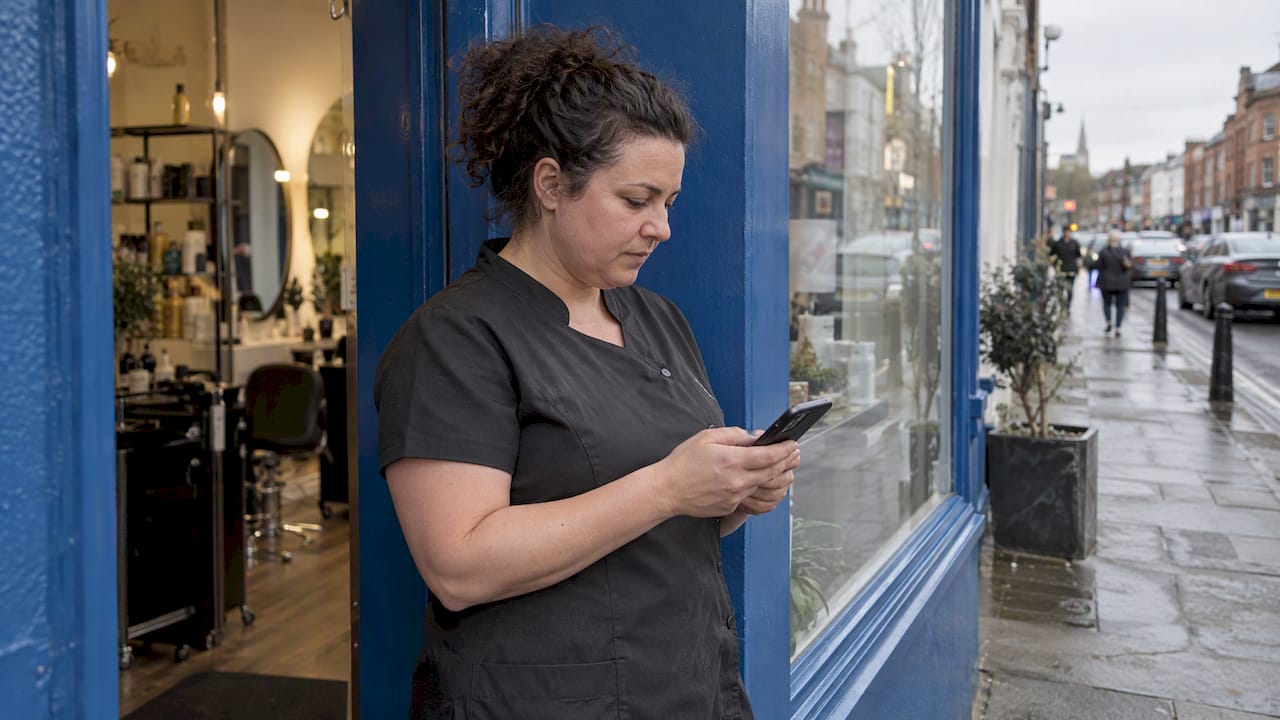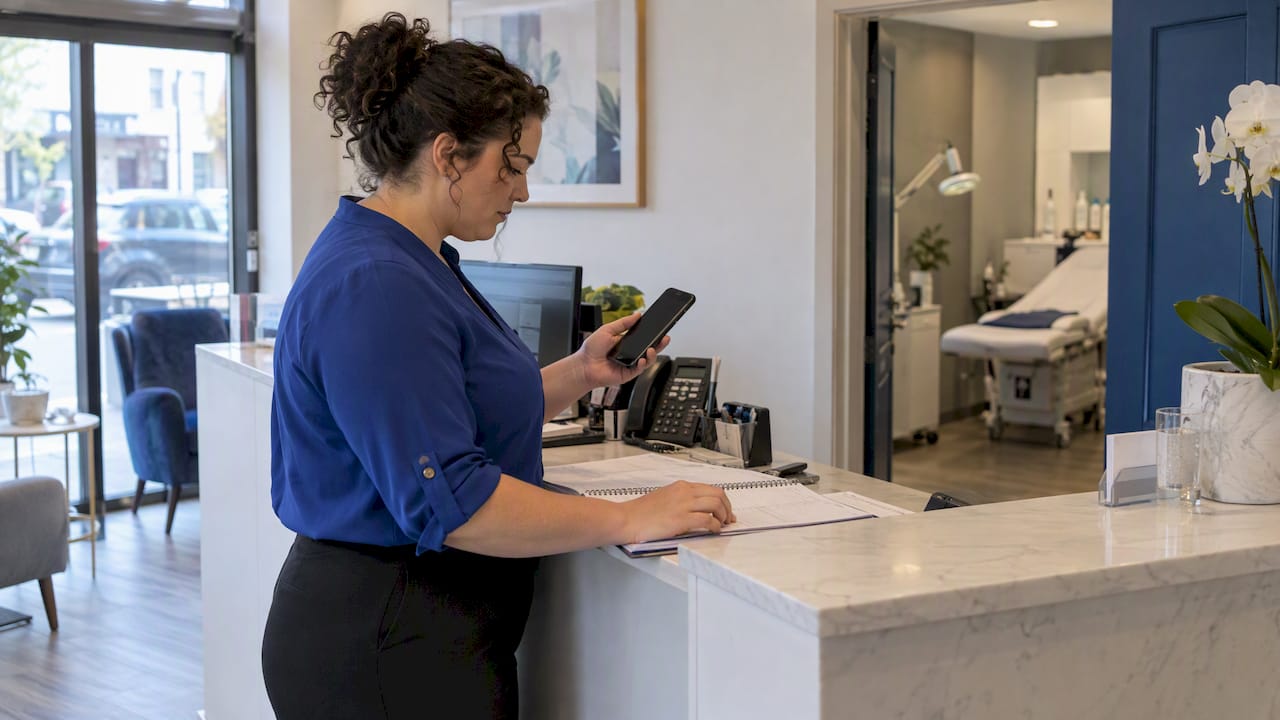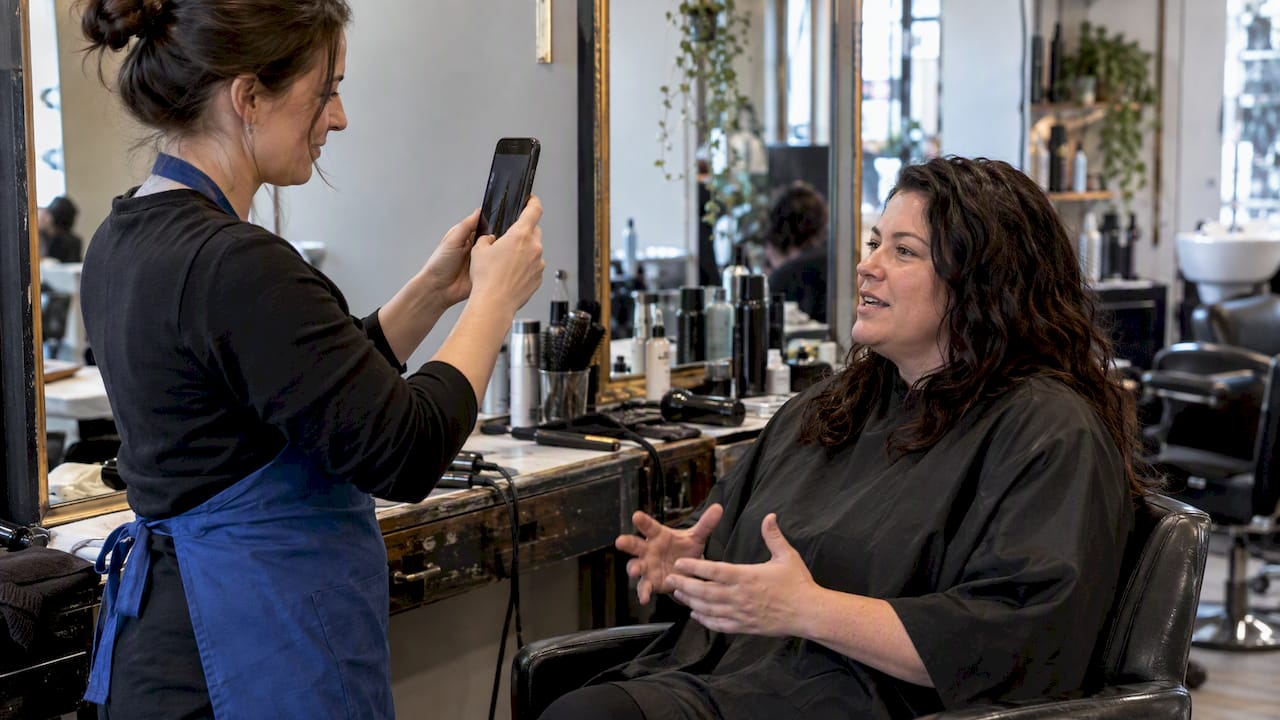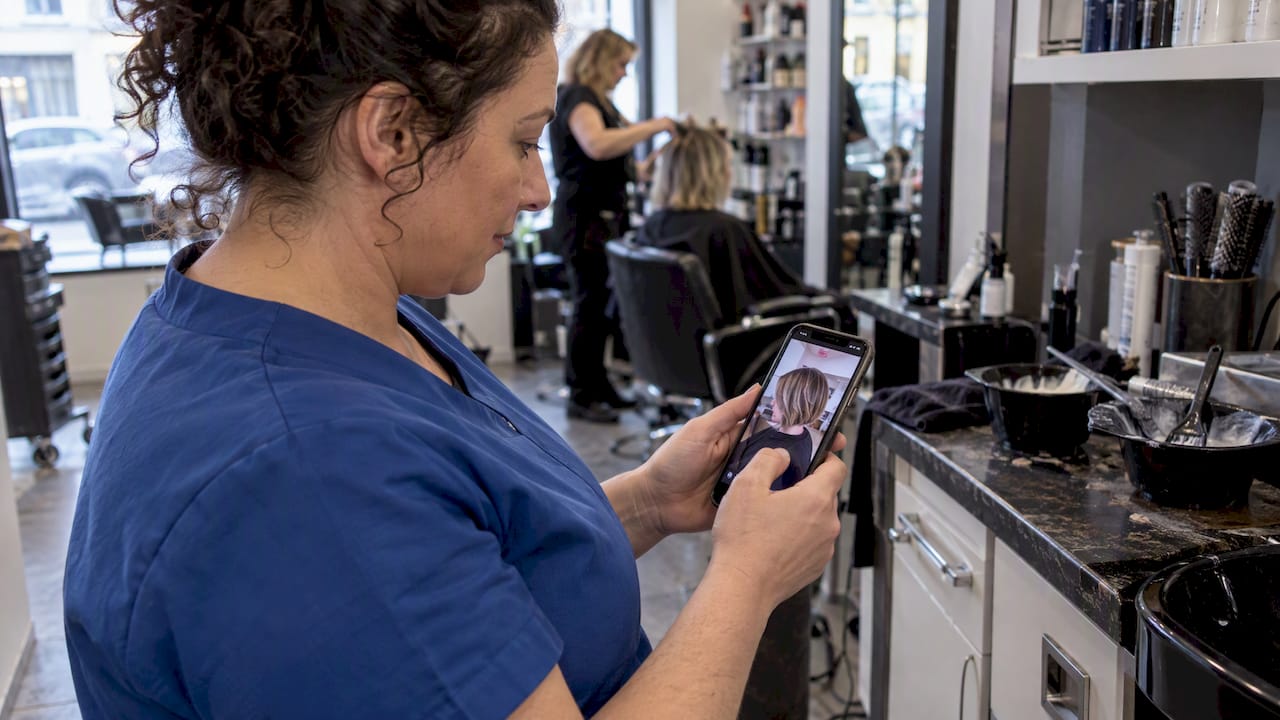

A beauty niche audience is a focused, specific group within the broader beauty market that shares distinct needs, behaviors, or values, making them a precise and profitable target for brands and marketers. This concept, formally known in marketing as a microsegment, goes far beyond broad categories like “women aged 18–35.” The global beauty market now spans five generations, from Gen Alpha to Baby Boomers, and projected annual growth is slowing to 5% through 2030. That slowdown makes precision targeting not a preference but a competitive requirement. Growthreachmarketing works with beauty brands, salons, and aesthetic clinics every day to identify and reach exactly these kinds of high-value segments.
What is a beauty niche audience and how is it defined?
A beauty niche audience is defined by the intersection of a specific problem, a defined group of people, and a brand philosophy that speaks directly to both. The term “niche audience” in beauty marketing refers to a segment narrow enough to be underserved by mass-market brands, yet large enough to generate sustainable revenue. Think menopausal skincare clients, commuter-friendly makeup users, or Gen X women who want authentic representation rather than anti-aging panic.
The distinction from a broad beauty target audience matters enormously. A broad audience is “women who buy skincare.” A niche audience is “women over 45 managing menopausal flushing who prioritize clean, fragrance-free formulas.” The second group has a specific pain point, a clear lifestyle context, and a reason to stay loyal to a brand that actually addresses their needs. Successful niches are defined by the intersection of specific problems, defined audiences, and unique brand philosophies rather than broad product categories.

Understanding the beauty niche concept also means accepting that niches are fluid. A segment that was underserved in 2022 may be saturated by 2026. Marketers who define their niche once and never revisit it lose their edge. The most durable niches are built around persistent human problems, not passing trends.
What are the key characteristics of a beauty niche audience?
Beauty niche audiences share three layers of defining traits: demographic, psychographic, and behavioral. Each layer adds specificity that makes targeting more effective and messaging more resonant.
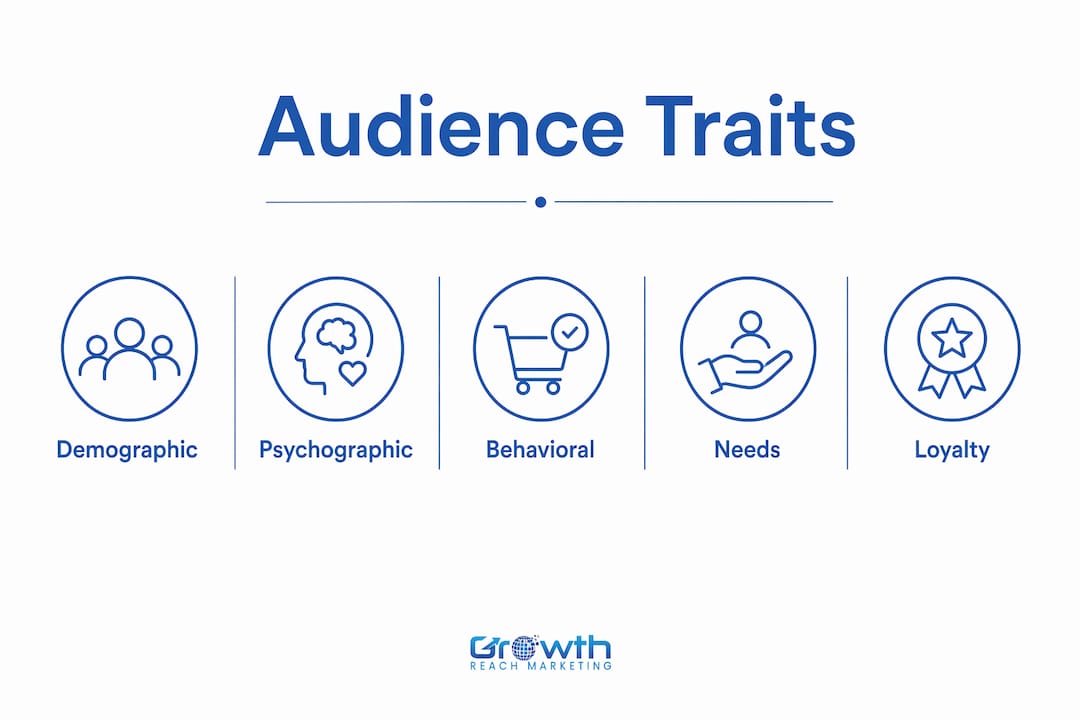
Demographic factors
Demographic factors include generation, age, gender, and ethnicity. Generation is particularly powerful in beauty. U.S. cosmetics and personal care revenue reached approximately $20.4 billion in 2024, largely driven by Gen Z consumers who prioritize self-care as a daily ritual. That figure signals where the volume is, but it also signals where the competition is fiercest. Ethnicity and skin tone diversity also define distinct niche segments, particularly in foundation, hair care, and scalp treatment categories.
Psychographic traits
Psychographic traits reveal why people buy, not just what they buy. Beauty shoppers are highly aspiration-oriented, with 57% aiming for high social status and 70% willing to pay a premium for convenience. That aspiration orientation is a defining characteristic of beauty niche audiences. It means messaging that speaks to identity and self-expression outperforms messaging that leads with price or ingredients alone.
- Authenticity seekers: Consumers who distrust heavily filtered or celebrity-driven campaigns and respond to real-person testimonials and transparent formulations.
- Sustainability-oriented buyers: Shoppers who filter products by packaging, sourcing, and brand ethics before price.
- Social currency chasers: Buyers motivated by how a product makes them look to their peer group, not just how it performs.
- Pain-driven loyalists: Consumers with specific skin or hair conditions who will stay with a brand for life if it solves their problem.
Behavioral patterns
Behavioral patterns include shopping frequency, channel preference, and product loyalty. 67% of beauty shoppers always look for the latest trends, compared to 35% of the general population. That gap shows how trend-sensitivity shapes purchase behavior in beauty far more than in other consumer categories. Behavioral data also reveals pain points: a customer who repeatedly searches “foundation for mature skin” and returns products labeled “full coverage” is signaling an unmet need that a niche brand can own.
How do marketers identify and validate a beauty niche audience?
The most common mistake in defining a beauty niche is relying on assumptions rather than evidence. Broad demographic guesses, “women 25–40 who like skincare,” produce campaigns that speak to no one specifically. Effective niche identification requires moving from assumptions to evidence using detailed analysis of cultural, behavioral, and commercial data.
| Signal type | Data source | What it reveals |
|---|---|---|
| Cultural signals | Social media comments, TikTok hashtags, Reddit threads | Emerging language, unmet emotional needs, community identity |
| Behavioral signals | Search queries, purchase history, return rates | Specific pain points, product gaps, buying triggers |
| Commercial signals | Customer support tickets, review sentiment, loyalty data | Friction points, loyalty drivers, repeat purchase patterns |
The process works in layers. Start with cultural signals to spot emerging conversations. Layer in behavioral data to confirm that the conversation translates into purchase intent. Then apply commercial signals to assess whether the segment is large enough and accessible enough to be worth targeting.
Pro Tip: Score each potential niche segment on three criteria: size (is it large enough to sustain a business?), strategic fit (does your brand have a credible reason to serve this group?), and accessibility (can you reach them through channels you already use or can realistically build?). Segments that score high on all three are your starting point.
Concrete examples of validated niches include menopausal skincare (persistent biological need, underserved by mass brands), commuter-friendly beauty products (lifestyle-specific, time-constrained buyers), and Gen X-focused prestige skincare (high spending power, low brand representation). Each of these emerged from analyzing social comments, search queries, and customer support tickets rather than from demographic guesswork. Learning how to identify your target audience with this kind of layered evidence approach applies directly to beauty market segmentation.
Why does niche targeting give beauty brands a competitive edge in 2026?
The beauty market’s slowing growth rate forces brands to compete for existing demand rather than riding category expansion. With projected growth at 5% annually through 2030, mass-market positioning becomes a race to the bottom on price and visibility. Niche targeting sidesteps that race entirely.
Gen X is the clearest proof of this opportunity. Gen X spends $173 billion annually on general merchandise, including fast-growing prestige beauty categories. Yet most beauty campaigns ignore this group entirely in favor of Gen Z or Millennial audiences. A brand that speaks directly to Gen X women, with authentic representation and products built for their specific skin concerns, faces almost no direct competition in that space.
The brands winning in 2026 are not the ones with the biggest budgets. They are the ones with the clearest understanding of who they serve and why that person cannot find what they need anywhere else. Beauty customers are value-sensitive regardless of income, which means a clear, authentic value proposition is the only reliable loyalty driver.
Pain-based niches produce the most loyal customers. Targeting explicit needs like topical steroid withdrawal or menopausal flushing yields customers who stay for life, unlike trend-driven segments where loyalty evaporates when the next trend arrives. That lifetime loyalty compounds into lower customer acquisition costs, higher average order values, and stronger word-of-mouth. For beauty brands operating on tight margins, those economics are decisive.
Social commerce and omnichannel presence amplify niche targeting further. A brand that owns a specific niche can build a community around it, on Instagram, YouTube, and TikTok, that functions as a self-sustaining acquisition engine. Community members recruit new members who share the same pain point. That dynamic does not exist for generic beauty brands with no clear identity. Understanding beauty brand identity is the foundation for making this kind of community-driven growth work.
What are practical steps to engage and grow a beauty niche audience?
Building a niche audience requires more than identifying the segment. Brands must earn trust through consistent, specific, and honest engagement.
-
Craft messaging around the specific pain point. Generic benefit claims (“glowing skin,” “long-lasting color”) do not resonate with niche audiences. Name the problem directly. “For skin that reacts to everything” speaks to a sensitive-skin niche far more powerfully than “gentle formula.”
-
Develop products around lifestyle context, not just ingredients. A commuter-friendly beauty product is defined by its format (portable, no-spill, fast-applying) as much as its formula. The lifestyle context is the product’s primary selling point.
-
Use content marketing to build authority within the niche. A brand targeting menopausal skincare clients should publish content that answers the specific questions that group searches for: hormonal acne in your 40s, night sweats and skin hydration, fragrance sensitivity after menopause. Beauty industry content marketing built around niche search intent attracts the right audience and builds trust before the first purchase.
-
Refine positioning continuously with data. Review search query reports, customer reviews, and social sentiment every quarter. Niches shift. A segment that was underserved six months ago may now have three new competitors. Data tells you when to double down and when to pivot.
-
Build community, not just a customer list. Niche audiences form communities around shared experiences. A brand that facilitates that community, through forums, social groups, or events, becomes the default choice for every new member who joins.
Pro Tip: Avoid the common mistake of targeting too many niches at once. Pick one microsegment, own it completely, then expand. Brands that try to serve five niches simultaneously end up owning none of them.
Creating a unique selling proposition grounded in your niche’s specific pain point is the fastest way to differentiate from mass-market competitors who cannot afford to speak that specifically.
Key Takeaways
A beauty niche audience is the most reliable foundation for brand loyalty, reduced competition, and long-term growth in a slowing beauty market.
| Point | Details |
|---|---|
| Define by pain point, not demographics | Niche audiences are built around specific problems, not broad age or gender categories. |
| Use layered data to validate | Cultural, behavioral, and commercial signals together confirm a viable niche segment. |
| Gen X is underserved and high value | Gen X spends $173 billion annually yet receives minimal targeted beauty marketing. |
| Pain-based niches produce lifetime loyalty | Customers with explicit, persistent needs stay loyal far longer than trend-driven buyers. |
| Own one niche before expanding | Brands that focus on a single microsegment build defensible market positions faster. |
The Gen X gap no one is talking about
Every brand I work with wants to reach Gen Z. The briefs come in loaded with TikTok strategy, trending audio, and influencer shortlists skewing under 25. I get it. Gen Z is loud, visible, and culturally influential. But the most consistent missed opportunity I see in beauty marketing is the complete neglect of Gen X.
Gen X women are in their 40s and 50s. They have disposable income, strong brand loyalty when earned, and a deep frustration with beauty marketing that either ignores them or condescends to them with “anti-aging” language they find insulting. They are not looking for youth. They are looking for products that work for their actual skin, and brands that treat them like adults.
The brands I have seen break through with Gen X share one trait: they speak to the specific experience without apology. No euphemisms. No “ageless beauty” hedging. Just honest product positioning built around real skin concerns at that life stage. That directness builds trust faster than any influencer campaign.
My advice to any beauty marketer reading this: before you spend another dollar on Gen Z content, ask whether you have genuinely addressed the Gen X segment in your category. The competition there is thin, the spending power is real, and the loyalty you earn is durable. That combination is rare in beauty right now.
— Gerard
How Growthreachmarketing helps beauty brands reach niche audiences
Growthreachmarketing specializes in helping beauty brands, salons, and aesthetic clinics get found by the exact clients they are built to serve. Identifying a niche audience is only half the work. The other half is making sure that audience finds you first on Google, in local search, and across AI-powered platforms.
Growthreachmarketing builds the SEO and content systems that put your brand in front of niche beauty audiences at the moment they are searching for exactly what you offer. From local SEO for beauty brands to keyword strategies built around niche pain points, every campaign is built around the specific segment you serve. If your aesthetic clinic or salon is ready to attract clients who are already looking for your solution, an SEO strategy built for aesthetics is the place to start.
FAQ
What is a beauty niche audience in simple terms?
A beauty niche audience is a specific, focused group within the broader beauty market that shares a distinct need, behavior, or value. Brands target this group with tailored products and messaging rather than broad, generic campaigns.
How is a beauty niche audience different from a general beauty target audience?
A general beauty target audience uses broad categories like age or gender. A beauty niche audience adds a specific pain point, lifestyle context, or psychographic trait that makes the group distinct and easier to serve with precision.
Why is Gen X considered an underserved beauty niche?
Gen X spends $173 billion annually on general merchandise including prestige beauty, yet most beauty marketing focuses on Gen Z and Millennials. That gap makes Gen X one of the highest-value and least competitive niches in the beauty market right now.
How do I find a viable beauty niche audience for my brand?
Analyze cultural signals (social media conversations), behavioral signals (search queries and purchase data), and commercial signals (customer reviews and support tickets) together. Score each potential segment on size, strategic fit, and accessibility before committing.
What makes a beauty niche audience loyal compared to a trend-driven segment?
Pain-based niche audiences, those with persistent, explicit needs like menopausal skin concerns or topical steroid withdrawal, stay loyal because their problem does not go away. Trend-driven segments move on when the next trend arrives, making retention far harder.