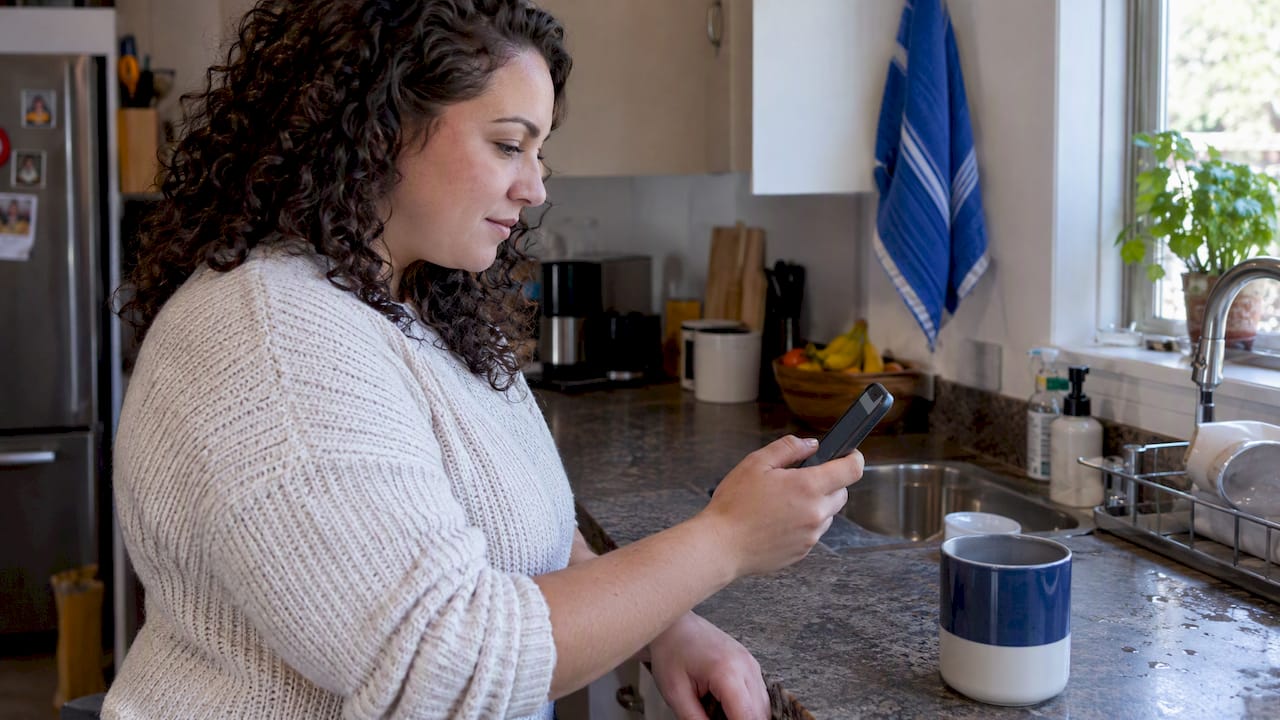
The most effective welcome flow for salons is a three-email sequence sent immediately after booking, then on day 3 and day 14, covering a thank-you and what-to-expect message, a team introduction with care tips, and a review-and-rebook prompt. Set the immediate trigger first, add one-click booking links to every message, and keep collection and send practices aligned with consent rules before you send a single email.
TL;DR:
- Audit the booking form first: capture service type, assigned stylist, preferred contact method, and consent wording before building templates or personalization.
- In Ireland, the soft opt in covers existing customers only when addresses came from a sale, services are similar, and messages include an opt out.
- Do not add receipt only addresses to marketing lists unless clients were told at collection and offered an opt out at that point.
- Use persistent booking URLs rather than expiring single use tokens, so clients who open messages late can still reach a working appointment page.
- Track first email opens, booking link conversions, rebooking, and review conversions for 60 days, then test one change, such as the third email’s subject line.
Table of Contents
- Why a welcome email flow matters for salons
- Core components and best practices for an effective welcome sequence
- A ready-to-use salon 3-email welcome sequence
- Subject lines, CTAs, and personalization that lift opens and bookings
- Implementation: triggers, segmentation, automation and SMS fallback
- Consent and legal checklist before you send
- How we approach welcome flows and a 60-day test worth running
- What actually makes a welcome flow work
- Let us build, test and scale your salon welcome flow
- FAQ
- Sources
Why a welcome email flow matters for salons
A new client’s first two weeks decide whether they become a regular or a one-time visit. A welcome flow gives that window structure instead of leaving it to chance, because the messages arrive exactly when the client is still thinking about their appointment, their stylist and whether to come back.
Practical salon playbooks point to a consistent pattern: automated, well-timed messages outperform manual, one-off sends because they catch the client at a moment of actual intent, right after booking or right after a visit, rather than whenever someone remembers to send a newsletter. That timing advantage is most of what makes a welcome flow worth building.
Three salon metrics tend to move first once a flow is live:
- Open rate on the immediate thank-you email, since it lands when the client is already anticipating the appointment.
- Booking link conversion, meaning how many recipients click through to actually confirm or adjust a slot.
- Rebooking rate inside the 14 to 30 day window after the first visit, when a review-and-rebook prompt does its job.
A salon welcome sequence triggered at first booking, moving from an immediate thank-you through a day 3 care email to a two-week review and rebook prompt, is the practical structure recommended for salon email marketing campaigns that aim to retain new clients rather than just greet them.
You will not get a dependable before-and-after comparison until the flow has run for a full cycle, which is one reason a short, structured test (covered later in this guide) matters more than guessing at results from week one.
Core components and best practices for an effective welcome sequence
Before writing a single word of copy, it helps to know what separates a welcome sequence that converts from one that gets ignored. The following checklist covers what to confirm or build into each message.
- A clear, specific subject line that names what the email contains, not a vague greeting.
- Warm, brief welcome copy that confirms the booking and sets expectations for arrival, parking or timing.
- Logistics up front: address, what to bring, cancellation policy, and contact details in case plans change.
- A short stylist or team bio so the client recognizes a face, not just a brand.
- Delivery on any promised offer, such as a first-visit discount or loyalty signup, stated plainly with no fine print buried below the fold.
- One clear call to action per email, usually a booking link, never two competing buttons.
On the technical side, mobile-first design matters more in this flow than almost anywhere else in salon marketing, since most clients open these emails on a phone between appointments or on a commute. Authenticate your sending domain so messages land in the inbox instead of spam, and add alt text to any images so the message still makes sense when images are blocked by default.
Segmentation starts at the booking form, not inside the email tool. Capture service type, assigned stylist, preferred contact method and, where appropriate, date of birth, so later messages and loyalty offers can be scheduled automatically instead of built by hand each time. A salon that only captures a name and email address at booking has no way to personalize message two or three later without manual lookup, which defeats the purpose of automating the flow at all.

Pro Tip: Build your data capture fields before you build your email templates, since a flow can only personalize what the booking form actually collects.
A ready-to-use salon 3-email welcome sequence
Here is a sequence map you can copy into most booking and email platforms without custom development.
- Email 1, sent immediately: confirms the booking, thanks the client, sets expectations.
- Email 2, sent on day 3: introduces the stylist or team and offers simple pre-visit or aftercare tips.
- Email 3, sent on day 14: asks for a review and prompts a rebooking before the client drifts away.
This structure matches the practical salon email marketing approach of triggering the sequence off the first booking rather than a generic signup date, which keeps every message tied to a real appointment instead of an arbitrary calendar event.
Email 1: Thank you and what to expect
Subject line options: “You’re booked, here’s what happens next,” “See you soon, a few quick details,” or “Your appointment is confirmed.”
Body: Thank the client by name for choosing the salon. Confirm the date, time and stylist. Add a short line on parking, arrival time and what to bring if relevant. Close with a one-click link to manage or reschedule the booking, and a second line inviting questions by reply.
Email 2: Meet your stylist and care tips
Subject line options: “Meet the person doing your hair,” “A few tips before your visit,” or “Getting the most from your appointment.”
Body: A two or three sentence bio of the assigned stylist, written in a personal tone rather than a résumé format. Add one or two practical tips relevant to the booked service, such as how to prep color-treated hair or what to avoid before a facial. End with a reply prompt so the client can ask a question directly rather than call the front desk.
Email 3: Review request and rebooking prompt
Subject line options: “How did we do?,” “Ready for your next visit?,” or “A quick favor, plus your next appointment.”
Body: Ask for a short review with a direct link to the review platform. Follow with a rebooking offer or simple prompt showing the client’s usual service interval, and a one-click link to book the next slot. Keep the tone appreciative rather than transactional.
| Trigger/timing | Primary CTA | Expected outcome | |
|---|---|---|---|
| Email 1 | Immediately after booking | Manage or confirm booking | High open rate, fewer no-shows |
| Email 2 | Day 3 after booking | Reply to stylist or view tips | Stronger personal connection |
| Email 3 | Day 14 after visit | Leave a review or rebook | Higher rebooking and review volume |
One-click booking links deserve particular attention in this sequence: avoid single-use tokens that expire quickly, since a client who opens the email two days late and finds a dead link has just been handed a reason to call a competitor instead. A persistent booking URL that opens a prefilled appointment modal keeps the number of steps between click and confirmed booking as low as possible.
Subject lines, CTAs, and personalization that lift opens and bookings
Subject lines for a welcome flow work best when they describe a concrete outcome rather than a generic greeting. “You’re booked, here’s what happens next” outperforms “Welcome to our salon” because it tells the recipient exactly what they will find inside, which matters more for open rates than clever wording.
A few patterns worth testing across your own list:
- Confirmation-style subjects (“Your appointment is confirmed”) for email 1, since they match what the client is actively expecting.
- Personal, low-pressure subjects (“A few tips before your visit”) for email 2, which read as helpful rather than promotional.
- Direct-ask subjects (“How did we do?”) for email 3, since review requests perform better when they sound like a genuine question.
Preheader text should extend the subject line rather than repeat it, giving a second reason to open, such as naming the stylist or mentioning a specific tip inside.
On calls to action, a single, obvious button beats a page of options. One-click booking links, an add-to-calendar button for the confirmed appointment, and a direct reply-to-stylist option each serve a different stage of the relationship, and mixing more than one or two per email dilutes the response. Where SMS is part of your stack, an opt-in prompt inside email 1 gives clients who prefer texting (useful for last-minute changes) a way to switch channels without extra friction.
Dynamic content and personalization tokens work best when tied to the service actually booked rather than generic fields. A token that pulls in the stylist’s name and the specific service (color, cut, facial) makes email 2’s care tips feel tailored instead of templated, and a token referencing the client’s usual rebooking interval makes email 3’s prompt feel timed rather than automatic.
Pro Tip: Test one variable at a time, subject line or CTA, never both together, or you will not know which change actually moved the needle.
Implementation: triggers, segmentation, automation and SMS fallback
Getting the flow live is mostly a matter of choosing the right trigger and keeping data clean enough to segment later.
- Choose your trigger event: a new booking record, a new client profile, or an explicit signup form, depending on how your booking system creates records.
- Tag each new record with service type, stylist and source (walk-in, online booking, referral) so later segmentation does not require manual sorting.
- Connect booking system to email provider using a native integration where one exists, or a simple automation tool that passes new bookings into your email platform’s trigger list.
- Build the three-email sequence inside your email provider using the timing map above, and test the full flow end to end on a dummy booking before going live.
- Add SMS as a fallback channel only where you have separately recorded SMS consent, since it is a distinct legal channel from email.
A few integration details are worth getting right from the start:
- Native automations inside a combined booking-and-marketing platform are usually more reliable than a third-party connector, since they avoid sync delays between systems.
- Link tracking should point to a persistent booking page, not a one-time token, so clients who open the email late still reach a working link.
- SMS fallback works best for urgent, time-sensitive messages such as a same-day reminder rather than for the welcome sequence itself, since the welcome flow depends on carrying more context than SMS comfortably supports.
When you do add SMS, record that opt-in separately from email consent and send a simplified, browser-optimized version of the message so formatting and links still behave correctly on smaller screens. For the deliverability side of this setup, properly authenticating your sending domain makes a measurable difference in whether these automated messages land in the inbox at all. A practical walkthrough on business email setup and authentication covers the DNS and domain steps most salons skip when they first connect a booking system to an email provider.
Consent and legal checklist before you send
Electronic direct marketing in Ireland generally requires clear, affirmative consent, but a specific exception matters for salons: Regulation 13(11), often called the soft opt-in, allows marketing to existing customers under certain conditions, including that the email address was collected in the context of a sale, the marketing concerns similar products or services, and the client was given a clear opt-out at the time of collection and in every message after. The Data Protection Commission’s guidance on consent for electronic marketing sets out these conditions directly.
A practical checklist for salons:
- State clearly at booking that the client’s email may be used to send appointment-related and occasional marketing messages, with a simple opt-out.
- Include an opt-out link in every marketing email, not only the first one.
- Keep a record of when and how consent or the soft opt-in condition was met for each client.
- Treat e-receipt addresses carefully: addresses collected only to issue a receipt should not be folded into marketing sends unless the client was informed and given an opt-out at the point of collection, a distinction the DPC’s guidance for retailers issuing e-receipts addresses directly.
For a deeper walkthrough of soft opt-in testing specific to salons and clinics, our guide on GDPR email marketing compliance covers four practical tests worth running against your current booking form.
How we approach welcome flows and a 60-day test worth running
When we build a welcome flow for a salon client, the process generally follows the same order every time, because skipping a step tends to show up later as a broken trigger or an unpersonalized email.
- Audit data capture at booking to confirm service type, stylist and contact preference are all recorded.
- Confirm the trigger fires correctly on a test booking before any real client sees the sequence.
- Proof every template for tone, logistics accuracy and working links before launch.
- Set a 60-day measurement window tracking open rate, booking link conversion, rebooking rate and review conversion.
- Run one A/B test during that window, typically a subject line variant on email 3, since the review-and-rebook message tends to have the most room for improvement.
Sixty days gives enough volume for most salon lists to show a clear direction on a single variable test without waiting months for a result. More detail on tracking these metrics specifically for salons lives in our guide on tracking salon marketing results.
What actually makes a welcome flow work
The principle I’d put above every other piece of advice here: a welcome flow succeeds or fails on data capture, not on copywriting. A beautifully written email with no stylist name, no service type and no rebooking interval to personalize against is still a generic email, no matter how warm the tone.
The one action worth taking this week is auditing your booking form for exactly four fields: service type, assigned stylist, preferred contact method and consent wording. Everything else in this guide, the templates, the timing, the subject lines, depends on that foundation being in place first.
For salons that want more detail on pairing this flow with broader retention work, our breakdown of salon email marketing practices that fill chairs goes further into the lifecycle beyond the first 14 days.
— Gerard
Let us build, test and scale your salon welcome flow
Setting up the data capture, the trigger logic and three rounds of template proofing takes real hours most front desk teams don’t have spare between appointments. We handle that setup for salons directly, along with the paid acquisition work that feeds new clients into the flow in the first place.
Our work for salon and clinic clients typically covers:
- Automation setup, connecting your booking system to an email platform with the trigger logic and segmentation fields this flow depends on.
- Template creation, writing and designing the three-email sequence around your actual services and team.
- Paid acquisition support, including Facebook and Instagram ad management to keep new bookings flowing into the welcome sequence.
A typical engagement starts with an audit of your current booking form and email setup, moves into building the sequence and connecting the trigger, then runs a 60-day test to confirm the numbers are moving before we scale anything further. If you want that process handled for you, our services page outlines how to start with a discovery call.
FAQ
What is a salon welcome email flow?
A salon welcome email flow is a short, automated series of messages sent to a new client after their first booking, typically covering a thank-you and logistics email, a team introduction, and a review or rebooking prompt. It runs without manual sending once the trigger and templates are set up.
How many emails should a salon welcome sequence include?
Three emails over about two weeks covers the key moments: immediately after booking, a few days later, and roughly two weeks out once the visit has happened. This structure is reflected in practical salon email marketing guidance built around the first-booking trigger.
Do salons need consent before sending welcome emails?
General marketing emails require clear consent, but existing customers can often be emailed under the soft opt-in exception when the address was collected at the time of a sale, the message concerns similar services, and an opt-out was offered at collection and in every message. The DPC’s guidance on electronic marketing consent sets out these conditions.
Can I use an email collected for a receipt to send marketing later?
Only if the client was informed at the time the address was collected that it might be used for marketing and was given an opt-out then, according to DPC guidance for retailers issuing e-receipts. An address collected purely for transaction purposes should not be added to a marketing list without that disclosure.
What should I track to know if my welcome flow is working?
Watch open rate on the first email, click-through on booking links, and rebooking rate in the two to four weeks following the first visit. A 60-day window usually gives enough data to judge whether a change, like a new subject line, made a real difference.
Sources
- Is consent explicitly required for all cases of electronic direct marketing? | Data Protection Commissioner
- Email marketing for salons: rebooking and retention | TheStacc