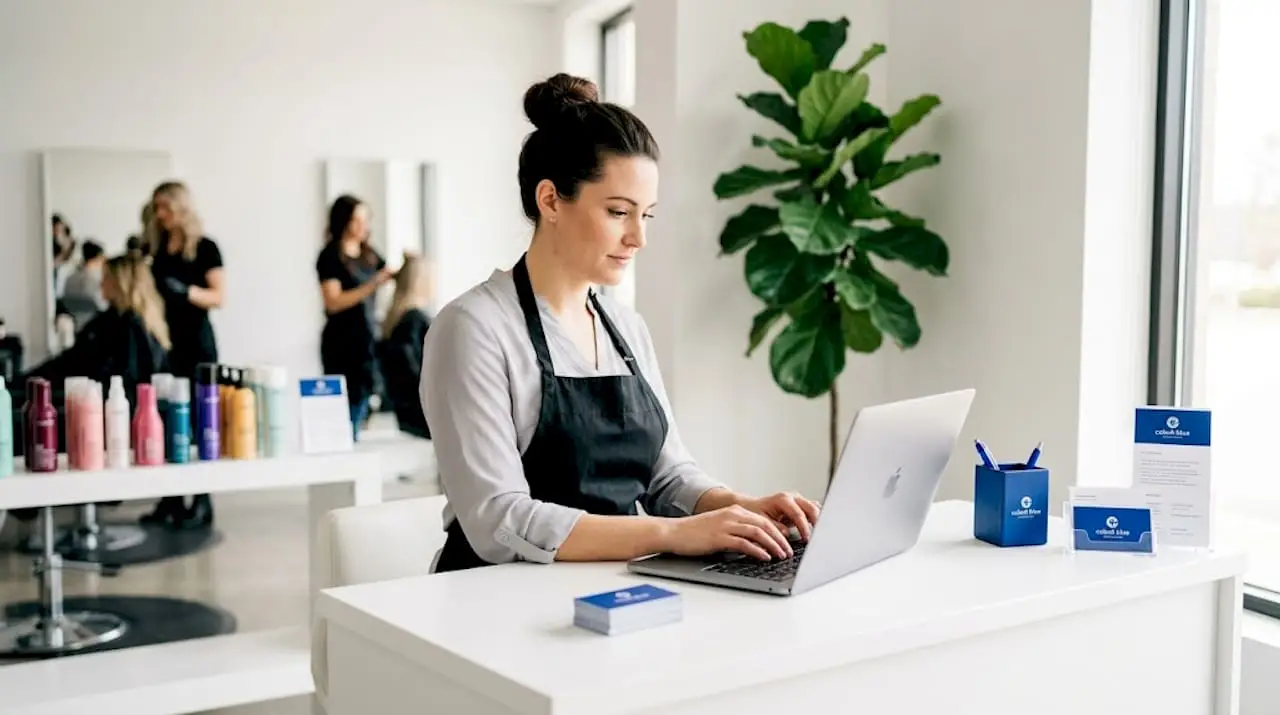
Email sitting in someone’s inbox is closer to a booked appointment than a social media post ever will be. That’s why salon email marketing best practices matter far beyond open rates and click percentages. Email generates $36 for every $1 spent for local businesses, yet most salons treat email as an afterthought, blasting the same generic newsletter to their entire list and wondering why the chairs stay empty. This guide breaks down exactly what separates the salons getting consistent bookings from email from the ones getting ignored.
Table of Contents
- Key takeaways
- 1. Build a permission-based email list from day one
- 2. Write subject lines and emails that actually get opened
- 3. Automate the workflows that retain and rebook clients
- 4. Track the metrics that tell you what is working
- 5. Choose the right email platform for your salon
- My honest take on salon email marketing
- How Growthreachmarketing helps salons turn email into bookings
- FAQ
Key takeaways
| Point | Details |
|---|---|
| Permission-based list building | Organic sign-ups dramatically outperform purchased lists by protecting sender reputation and boosting engagement. |
| Personalization drives opens | Personalized subject lines increase open rates by 26%, making client data your most valuable marketing asset. |
| Automation beats broadcasting | Automated welcome and rebooking flows generate significantly more revenue than sending one-off newsletters. |
| Track what actually matters | Open rates, click-through rates, and revenue per email tell you where your strategy needs to adjust. |
| Platform integration is non-negotiable | Connecting your booking system to your email platform unlocks precise, behavior-triggered communication. |
1. Build a permission-based email list from day one
The foundation of any working email strategy for salons is a list made of people who actually want to hear from you. Buying pre-built email lists leads to high bounce rates and damaged sender reputation. Once your domain gets flagged as spam, every future email suffers, even to clients who love you.
Salon email list building works best when you treat it as a system rather than a one-time ask. Here are the most effective organic methods:
- In-salon tablet sign-ups during check-in or check-out, with a clear offer attached (“Join our list and get 10% off your next visit”)
- Website pop-ups and forms connected to a lead magnet like a hair care checklist or seasonal style guide. Well-designed lead magnets built around client journeys consistently outperform simple discount offers.
- Social media opt-in links in your Instagram bio or Facebook page, directing followers to a landing page where they subscribe for exclusive content
- Referral programs that reward existing clients for bringing in new subscribers and new bookings simultaneously
Collect explicit consent every time. Tell people exactly what they are signing up for, how often you will email them, and what value they will get. Clear value propositions during list building decrease unsubscribe rates and build the kind of trust that turns subscribers into regulars.
Once your list grows, segment it. Clients who come in monthly for color treatments want different content than someone who gets an occasional blowout. Segment by service type, visit frequency, total spend, and even demographics. Segmentation is what turns a generic newsletter into something that actually feels relevant.
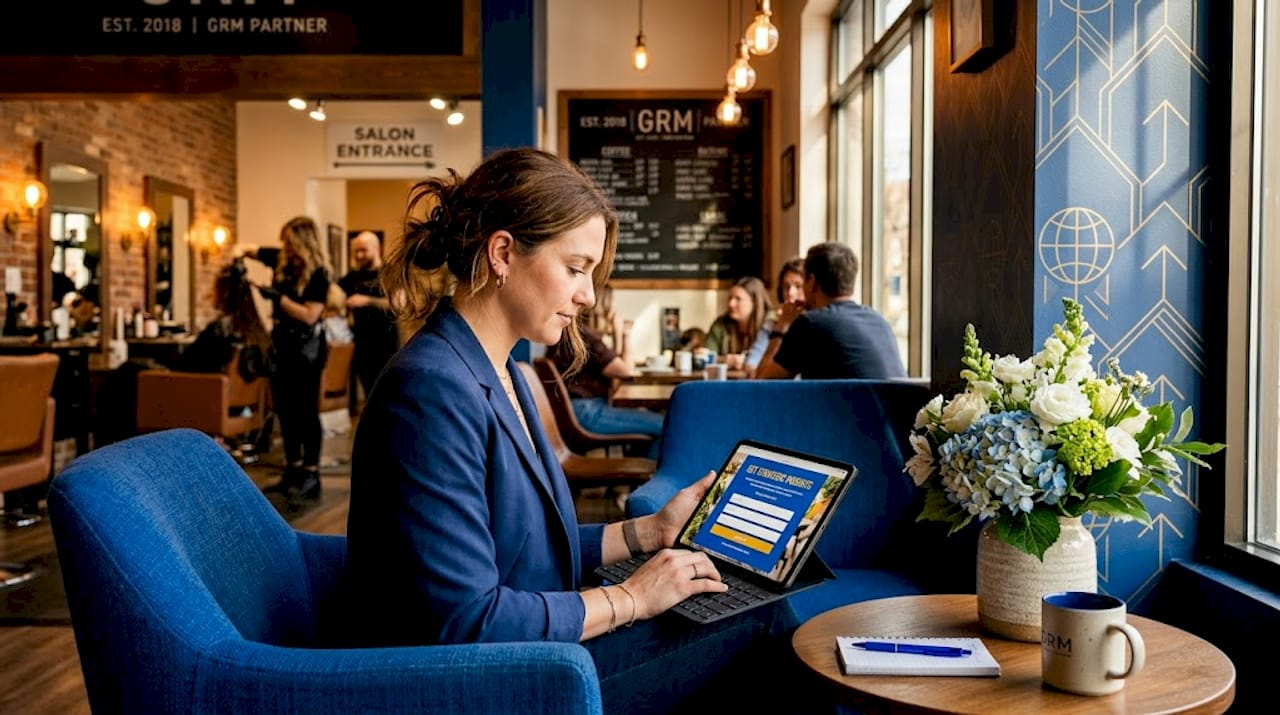
Pro Tip: Connect your booking software or POS system to your email platform from the start. Automatic sync of new client data means you never miss an opportunity to add a fresh subscriber right after their appointment, when your salon is top of mind.
2. Write subject lines and emails that actually get opened
Getting into the inbox means nothing if nobody opens your email. This is where most email marketing for salons falls apart. The subject line is doing 80% of the work before anyone even reads a word of your content.
Subject lines under 50 characters perform best on mobile, and over 60% of emails are opened on a phone. That means a subject line that gets cut off on a small screen is a subject line that loses the click. Keep them tight, specific, and benefit-driven. Compare “June Newsletter” with “Your hair color is ready for summer.” One is about you. One is about the client.
For email design and content, think like someone who appreciates aesthetics. Your salon brand lives in your visual identity, and your emails should reflect that. Short paragraphs, high-quality before-and-after images, and a clean layout make emails feel premium rather than cluttered.
Personalization goes beyond using someone’s first name. Pull in past service data to say “It’s been six weeks since your last cut, and your hair is probably telling you it’s time.” Reference upcoming appointments, preferred stylists, or product purchases. Personalized subject lines are 26% more likely to be opened, and that lift compounds when the email body also feels tailored.
Every email needs one clear next step. One clear, actionable CTA like “Book Now” or “Claim Your Offer” consistently outperforms emails with three or four competing buttons. The goal is to bridge the inbox to the salon chair, and confusion kills that bridge before it ever forms.
Pro Tip: Test two subject line versions every time you send a campaign. After just a few months, you will have real data on what your specific audience responds to, which is worth more than any generic copywriting advice.
3. Automate the workflows that retain and rebook clients
If you are manually sending every email, you are working harder than you need to and getting worse results. The most effective salon customer retention emails are automated, triggered by real client behavior, and timed precisely. Automation drives significantly higher revenue than broadcast campaigns sent at random intervals.
Here are the automated workflows every salon should have running:
-
Welcome series. Send three emails over 14 days after someone joins your list. Email one introduces your salon, your team, and your brand story. Email two offers an incentive to book their first or next visit. Email three highlights your most popular services with a direct booking link.
-
Rebooking reminders. POS integration enables trigger-based emails sent exactly four to six weeks after specific services. A color client gets a reminder that their roots are growing in. A keratin client gets one timed to when the treatment starts fading. Generic reminders get ignored. Timed, service-specific ones convert.
-
Aftercare tip emails. Send a helpful email 48 hours after an appointment with care tips for their specific service and product recommendations. This positions your salon as an expert resource and naturally drives retail sales.
-
Birthday and anniversary emails. An offer sent on a client’s birthday or the anniversary of their first visit creates a personal moment that a social media ad never can. Keep the offer simple: a complimentary add-on, a small discount, or priority booking for that week.
-
Win-back campaigns. Flag clients who have not visited in 90 days and send a sequence designed to re-engage them. Acknowledge the gap without being awkward about it. Offer a reason to return. Keep the tone warm, not desperate.
-
VIP loyalty emails. Identify your top 10 to 15 percent of clients by visit frequency and spend. Send them early access to new services, exclusive pricing on packages, or invitations to in-salon events. Behavior-triggered campaigns integrated with booking systems maximize retention for exactly this kind of high-value client.
Nearly 48% of automated email revenue comes from welcome and acquisition flows alone, which means getting your welcome series right is one of the highest-leverage things you can do.
Pro Tip: Map your automated flows on paper before building them in your email platform. Knowing exactly what triggers each email, what the goal is, and what comes next prevents you from creating a confusing, overlapping sequence that frustrates clients instead of engaging them.
4. Track the metrics that tell you what is working
Sending emails without tracking results is the equivalent of running ads without checking if anyone visited your salon. Best email practices for salons demand that you know your numbers, because the numbers tell you where to put your attention.
The KPIs that matter most:
- Open rate: Aim for 20 to 25% or above. Below 15% usually signals a subject line problem or a list quality issue.
- Click-through rate: Target 2 to 3%. Low CTR often means your CTA is unclear or your content is not relevant to that segment.
- Conversion rate: How many clicks turned into actual bookings? This is the number that connects to real revenue.
- Revenue per email: Divide your total campaign revenue by the number of emails sent. This gives you a true picture of email ROI.
- Unsubscribe rate: Anything above 0.5% per campaign means your content, frequency, or targeting needs adjustment.
A/B testing is the fastest way to improve all of these numbers. Test subject lines, send times, CTA button copy, and image placement. Run one variable at a time so you know what is actually driving the change.
Use UTM parameters on every link inside your emails so you can track behavior in Google Analytics after the click. For offline conversions like phone bookings, use unique promo codes tied to each campaign. That way you know which email drove someone to call in, not just which email got opened.
List hygiene matters more than list size. Domain authentication and permission-based sign-ups dramatically improve deliverability. Remove hard bounces immediately and run a re-engagement campaign on cold subscribers once a quarter before removing them entirely.
| Metric | Benchmark goal | What it tells you |
|---|---|---|
| Open rate | 20 to 25%+ | Subject line and list quality |
| Click-through rate | 2 to 3% | Content relevance and CTA clarity |
| Conversion rate | Varies by offer | Booking intent and offer strength |
| Unsubscribe rate | Under 0.5% | Content and frequency fit |
| Revenue per email | Track monthly trend | True ROI of each campaign |
Top-performing email programs are 20% more likely to use behavioral segmentation triggers, which means the salons winning at email are not sending more emails. They are sending smarter ones.
5. Choose the right email platform for your salon
Most salon owners start on a general email tool and only switch when they realize it cannot connect to their booking system. Choosing the right platform early saves you from migrating a growing list later. The features that matter most for email campaigns for hair salons and full-service salons are booking integration, automation depth, segmentation capabilities, and reporting.
Here is a quick comparison of the most relevant options:
| Platform | Best for | Booking integration | Automation depth | Starting price |
|---|---|---|---|---|
| Mailchimp | Small salons starting out | Limited native; Zapier needed | Basic to mid-level | Free tier available |
| Klaviyo | Data-driven growth | Via integrations | Advanced behavioral | From $20/month |
| Salonly | Salon-specific workflows | Built-in | Pre-built salon flows | Salon-specific pricing |
| Mindbody | Appointment-heavy salons | Native | Mid-level | From $129/month |
Platforms with native booking integration consistently outperform standalone tools for salons because they remove the manual step of syncing appointment data. When your email platform knows who booked, who canceled, and who is overdue for a visit, every automated flow runs on real behavior rather than guesswork.
If budget is a constraint, start with Mailchimp’s free tier and a Zapier connection to your booking software. As your list and revenue grow, move to a more integrated solution. The platform matters less than actually using automation. A basic tool with active workflows beats a premium tool collecting dust.
My honest take on salon email marketing
I have reviewed a lot of salon email strategies, and the pattern is almost always the same. The salons struggling with email are treating it like a broadcast medium, sending a monthly newsletter to their whole list hoping something sticks. The salons seeing real results treat every email like a one-on-one conversation, triggered by what a specific client actually did or did not do.
The biggest missed opportunity I see consistently is the gap between booking software and email platform. When those two systems talk to each other, everything changes. You stop guessing when to contact someone and start contacting them at exactly the right moment. That is not a technical luxury. It is the core of what makes salon marketing automation actually work.
The second mistake I see is treating personalization as something you add on top of an existing strategy. At this point, personalization is the strategy. Clients notice when an email feels like it was written for them. They delete everything else.
My advice: start with your three highest-impact automations, welcome, rebooking, and win-back, and measure everything. Do not add more until those three are running well and generating measurable revenue. Most salon owners never get to that point because they get distracted by tactics before the foundation is solid. Patience with the fundamentals is what separates salons that grow from salons that stay busy without ever scaling.
— Gerard
How Growthreachmarketing helps salons turn email into bookings
Knowing the best practices and building the actual system are two different things. Growthreachmarketing works specifically with salons and beauty businesses to design and implement email marketing strategies that connect directly to booking growth and client retention.
From automation setup and list segmentation to booking platform integration and campaign analytics, the team at Growthreachmarketing builds the infrastructure that makes email work without demanding your time every week. If you want email that actually fills your calendar rather than just hitting send, explore the full range of salon marketing services at Growthreachmarketing and see where the gaps in your current strategy are.
FAQ
What is salon email marketing?
Salon email marketing is the practice of sending targeted, strategic emails to current and potential clients to drive bookings, build loyalty, and grow revenue. It includes newsletters, automated workflows, and promotional campaigns tied to client behavior.
How do I build a salon email list?
Collect emails through in-salon sign-up tablets, website opt-in forms, social media lead magnets, and referral incentives, always with explicit client consent. Connecting your booking system to your email platform automates much of this process.
What is a good open rate for salon emails?
A strong open rate for salon email marketing sits between 20 and 25%. Rates below 15% typically indicate subject line issues or a list with low-quality or unengaged contacts.
How often should a salon send marketing emails?
Most salons perform best sending two to four emails per month, supplemented by automated behavioral triggers. Frequency should match client expectations set at sign-up and adjusted based on unsubscribe rate trends.
Which email marketing platform is best for salons?
The best platform depends on your budget and tech setup. Salonly and Mindbody offer native booking integration built for salons, while Klaviyo suits data-driven growth. Mailchimp works well for smaller budgets when paired with a Zapier integration.