A salon lead magnet is something useful you give a potential client for free in exchange for her email address or phone number. The ones that work lead straight into a booking: a skin-type guide, a pre-wedding timeline, a consultation questionnaire, a first-visit offer. In Ireland, the offer is only half the job. You also need clear consent at the point of sign-up, and a follow-up that gets the person into the chair within a couple of weeks. This guide covers ideas, choice, set-up, Irish rules and measurement.
TL;DR
- Pick a lead magnet that leads naturally into one of your services, not a generic discount that attracts bargain hunters.
- The strongest salon and clinic options are educational (guides, timelines), practical (questionnaires, aftercare sheets) or a first-visit incentive.
- Under Irish rules, marketing consent must be a clear, affirmative action. Pre-ticked boxes do not count.
- A lead magnet without a follow-up sequence is just a download. Plan the first three emails before you design the offer.
- Judge it by booked appointments, not by sign-ups.
Table of Contents
- What a lead magnet is, and why salons need one
- Nine lead magnet ideas for salons and clinics
- How to choose the right one for your salon
- How to build a salon lead magnet, step by step
- Irish consent rules for collecting and contacting leads
- Follow up so the lead becomes a booking
- Measure bookings, not downloads
- Promoting your lead magnet with paid ads
- Let us build the system around your lead magnet
- Our view: the magnet is the easy part
- FAQ
- Sources
What a lead magnet is, and why salons need one
Most people who visit a salon website are not ready to book that minute. They are comparing, checking prices, wondering whether a treatment suits their skin or hair. If the only thing you offer is a booking button, you lose most of them for good.
A lead magnet gives them a reason to stay in touch. You offer something of real value, they share an email address (and, where relevant, a phone number), and you now have a way to continue the conversation. It is the same logic as a free sample: you demonstrate what you know before you ask for money.
For a salon or aesthetic clinic this matters more than for most businesses, because many of your best services are considered purchases. Bridal hair, advanced colour, skin treatments and injectables are rarely booked on impulse. People research, hesitate and come back. A lead magnet captures them during that research phase, so your business is the one they hear from while they decide.
It also builds a list you own. Social media reach rises and falls with algorithms. An email list of people who asked to hear from you is yours to use, within the consent rules covered below.
Nine lead magnet ideas for salons and clinics
The best ideas share one trait: each one points to a specific service you want to sell. Here are nine, grouped by what they do for the client.
Educational ideas
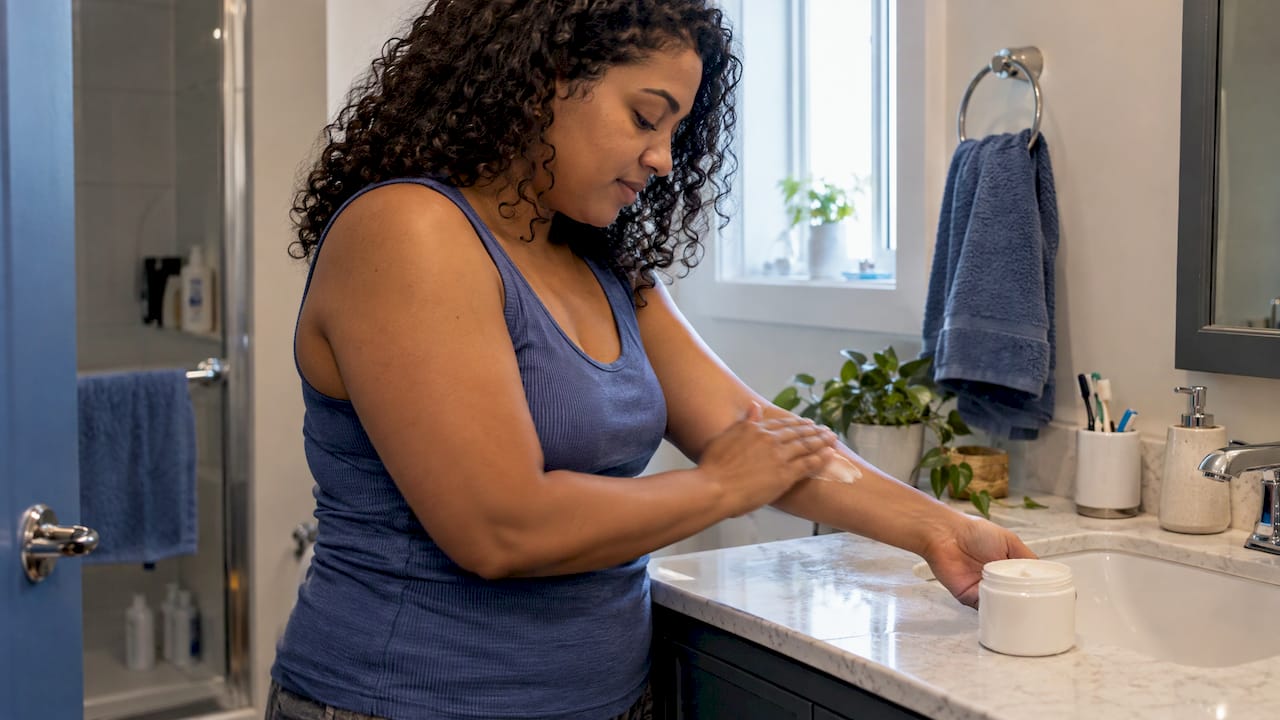
1. A skincare routine guide by skin type. A short PDF or email series: morning and evening steps for dry, oily, combination or sensitive skin, with a recommendation to book a facial or skin consultation to tailor it. It suits facial salons, beauty therapists and clinics alike.
2. A pre-wedding beauty timeline. Twelve weeks out: patch tests and trials. Six weeks out: facials and colour. Final week: tans, nails, brows. Brides search for exactly this, and it leads into a high-value booking package.
3. A seasonal guide. “Getting hair and skin ready for winter” or “Your pre-holiday treatment plan” works well, because it gives you a reason to email again at the right time of year.
4. A home maintenance guide. How to look after colour, extensions, lashes or a post-treatment glow between appointments. It shows expertise and naturally raises the question of when to rebook.
Practical ideas
5. A treatment aftercare sheet. Often given only to existing clients, but a version for people considering a treatment answers the question “what will recovery look like?”, which is a real barrier to booking. Have your clinical lead approve the wording for medical aesthetic treatments.
6. A pre-appointment or consultation questionnaire. A short form that asks about hair history, skin concerns, allergies and goals. The person gets a more personalised first visit, and you get useful information plus their contact details.
7. A quiz. “Which facial suits your skin?” or “What colour service fits your regrowth tolerance?” Quizzes sort visitors into segments, so your follow-up can be specific to the result.
Offer-based ideas
8. A first-visit incentive. A discount or a free add-on, such as a scalp treatment with a first colour appointment. It is the most common idea, and it converts when the incentive is tied to a service you actually want more of, not a blanket percentage off everything.
9. Exclusive access. Early access to new treatments, subscriber-only product previews, or a behind-the-scenes monthly newsletter. This one builds slowly but keeps people engaged who are not ready to book yet.
Quick comparison
| Idea | Best for | Effort to build | Typical next step |
|---|---|---|---|
| Skincare routine guide | Facial salons, clinics | Low | Skin consultation |
| Pre-wedding timeline | Bridal hair and beauty | Low to medium | Bridal package |
| Seasonal guide | Any salon | Low | Seasonal treatment |
| Home maintenance guide | Colour, lash, extension work | Low | Rebooking |
| Aftercare information | Clinics, advanced treatments | Medium | Consultation |
| Consultation questionnaire | Considered services | Medium | First appointment |
| Quiz | Broad audiences | Medium to high | Segmented offer |
| First-visit incentive | New client acquisition | Low | First booking |
| Exclusive access | Loyal followers | Medium, ongoing | Booking new service |
How to choose the right one for your salon
Start with the service, not the format. Ask which treatment you most want to fill next quarter. Your lead magnet should lead naturally into a conversation about that service. A guide to bridal hair timing is a natural lead-in to a bridal consultation. A generic “10% off” is a lead-in to nothing in particular.
Then think about who you are speaking to, because people at different stages need different things:
- Cold audiences (seeing your Instagram ad for the first time) respond to low-commitment items: a checklist, a short guide or a quiz.
- People who know their problem (“my colour keeps fading”) respond to diagnostic content, such as a questionnaire or a guide that explains causes.
- People comparing options want help deciding: a comparison of treatments, before-and-after examples, honest price ranges.
- People ready to book want a low-friction next step: a consultation, a patch test slot, a first-visit offer with a booking link.
A good lead magnet filters gently. It should attract the right problem, not the biggest crowd. A guide to managing grey regrowth will bring you fewer sign-ups than a giveaway, but they will be the people who book colour appointments.
One more test: would a client genuinely want this even if there were no email form in front of it? If the answer is no, the magnet is only an excuse to collect addresses, and the follow-up emails will be ignored.
If you are still deciding where leads should come from overall, our overview of salon lead generation channels to test shows where a lead magnet fits among the others, and the beauty clinic lead generation playbook covers the clinic side in more depth.
How to build a salon lead magnet, step by step
1. Define the one service it should sell
Write it down: “This lead magnet exists to book more [service] consultations.” Everything else follows from that sentence. Where it goes wrong: trying to appeal to everyone, which produces a vague asset and a vague list.
2. Create the asset
Keep it short. A two-page guide that gets read beats a twenty-page ebook that does not. Use your own photos, your own team’s advice and your own treatment names, so the reader can picture booking with you. Where it goes wrong: copying generic advice from the internet, which any competitor can match.
3. Build a simple sign-up form
Ask for as little as you need. Name and email is enough for most guides; add a phone number only if you will genuinely use it and have asked for permission to text. Tell people exactly what they will receive and why it benefits them. Where it goes wrong: long forms and unclear promises, which depress sign-ups.
4. Collect consent properly
Add an unticked checkbox with plain wording about marketing emails, separate from any terms of service. The next section covers why this matters in Ireland.
5. Put it where people already are
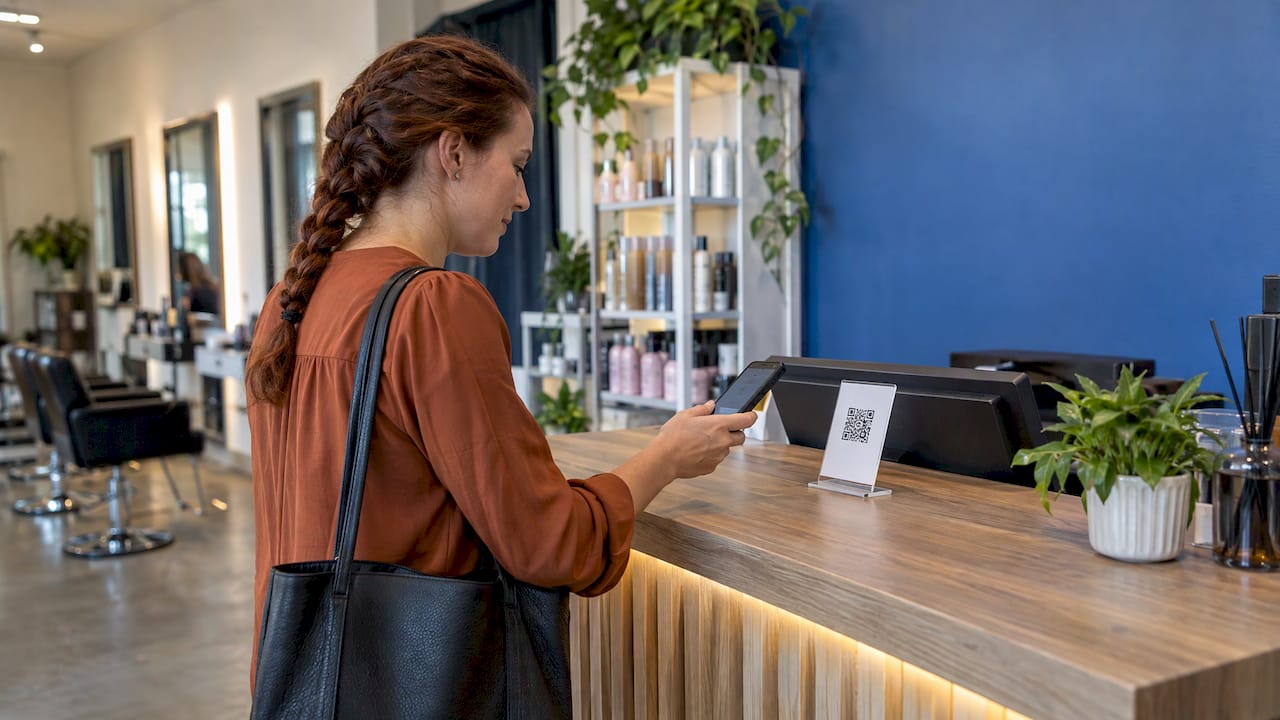
The best capture point is the moment of booking, when the client is already engaged and expects to give contact details. Other good places: your website and booking forms, a QR code at reception or the checkout desk, your Instagram bio and stories, and paid campaigns pointing to a dedicated page. Making the email request part of every client interaction, from booking to payment, builds the list faster than any single campaign.
6. Connect it to your booking system and follow-up
The lead must land somewhere it will be acted on within minutes, not sit in a spreadsheet. Which brings us to follow-up, after the legal basics.
Irish consent rules for collecting and contacting leads
This is the part that most generic lead magnet guides, written for the US market, skip. In Ireland, collecting an email address and sending marketing to it are governed by the ePrivacy Regulations and GDPR.
According to the Data Protection Commission’s guidance, the general rule under Regulation 13 of S.I. 336/2011 is that electronic direct marketing needs the recipient’s clear, affirmative consent. The same guidance says GDPR consent must be freely given, specific, informed and unambiguous, given by a statement or clear affirmative action. Silence, pre-ticked boxes and inactivity do not count.
In practice, that means:
- Unticked checkboxes only. The client must choose to opt in.
- Say what they are signing up for. “Send me your skincare guide and occasional offers by email” is clear. A buried line in terms and conditions is not.
- Every message needs an opt-out. Individuals can object, and each marketing communication must include a way to opt out.
- Keep a record of when and how each person consented.
There is a limited exception for existing customers. Under Regulation 13(11), you may market your own similar products or services to someone who bought from you, provided they were offered a chance to object when you collected their details and in every later message, and your first marketing message goes out within 12 months of the original sale. A person who only downloaded a guide has not bought anything, so this exception does not cover them: for lead magnet sign-ups, ask for consent.
Text messages carry their own considerations; our guide to SMS consent in Ireland for salons and clinics walks through them, and the GDPR email soft opt-in tests explain the existing-customer exception in detail. For any specific legal question about your own data practices, speak to a solicitor or the Data Protection Commission.
Follow up so the lead becomes a booking
A person who downloads your guide is warm for a few days. After that, the memory fades. A short automated welcome sequence is the simplest way to use that window.
A proven shape is three emails:
- Immediately: deliver the guide, introduce the salon and the team, and say what to expect from you.
- Around day three: cover your services and specialities, with photos of real work.
- Around day seven: offer a first-visit or return-visit incentive, with a direct booking link and a short expiry window.
The aim is a confirmed appointment within about ten days of sign-up. Every email should have one clear call to action, a booking link that works on a phone, and an unsubscribe option.
Speed matters just as much for enquiries that arrive by message. Someone who asks about a treatment at 9pm and hears back the next afternoon has often booked elsewhere. This is why we pair email sequences with AI enquiry handling and booking automation, so replies and follow-ups go out promptly.
For full templates and the Irish consent wording for each message, see our salon welcome email flow, and our article on salon email marketing best practices for what to send after the first three emails.
Measure bookings, not downloads
Sign-ups are the easiest number to see and the least useful on their own. A lead magnet that brings in 200 addresses and no appointments has failed, and one that brings 30 addresses and 8 bookings has worked.
Track these, in order:
- Sign-up rate: the share of page visitors who submit the form.
- Email engagement: opens and, more importantly, clicks on the booking link.
- Enquiries and bookings from the sequence: how many leads book within, say, 30 or 60 days.
- Revenue per lead: what those bookings are worth, and which service they were for.
- Cost per booked appointment, if you promote the magnet with ads.
Tag each lead with its source (QR code, Instagram, website, ad) so you can see which channel produces bookings and not just forms. If you run paid campaigns, make sure bookings flow back into your ad reporting. Our guides on tracking salon marketing results and timely conversion tracking cover this in practical steps, and booking conversion optimization for salons and clinics covers what happens on the page itself.
Give each lead magnet at least a full seasonal cycle or a few hundred visitors before judging it. If sign-ups are good but bookings are poor, the problem is usually the link between the magnet and the service, or a slow follow-up, not the idea itself.
Promoting your lead magnet with paid ads
Organic reach rarely fills a list quickly. Many salons and clinics put a modest budget behind their best lead magnet, usually on Facebook and Instagram, where the audience can be narrowed by location and interest. The ad shows the offer, the form captures the lead, and the welcome sequence does the selling.
The discipline is the same: send people to a form that promises something specific, collect consent properly, and measure bookings. Our guides to Facebook lead ads for salons and Facebook lead ads for Irish clinics cover setup, budget and follow-up, and Instagram ads targeting salon clients lays out the booking funnel behind them.
Let us build the system around your lead magnet
A good lead magnet is one piece of a system: the offer, the ad or page that promotes it, the consent wording, the follow-up emails, and the tracking that shows which of them produced appointments. We build these systems for salons, aesthetic clinics and beauty brands. Our services include Facebook and Instagram ads management, email marketing and customer reactivation, AI enquiry handling and booking automation, and lead generation and conversion optimisation. We are Irish-based and work specifically with the beauty and aesthetics industry.
If you would like a lead magnet that is designed around your services and your Irish consent obligations, see what we offer for salons and clinics.
Our view: the magnet is the easy part
Almost every salon owner we speak to can think of a lead magnet in five minutes. A guide, a discount, a quiz. That is the easy part.
What separates a list that books from a list that sits there is everything around the magnet. Does the offer lead to a service you want to sell? Is the consent wording clean enough to stand up under Irish rules? Does the first email go out within minutes, and does the third one carry a booking link? Does anyone check, a month later, how many of those people actually sat in your chair?
Our approach is built around those questions. We design tailored systems for the beauty and aesthetics industry, joining the offer, the ads, the follow-up and the tracking so that each piece feeds the next. We prefer data-driven, ethical marketing, which in Ireland starts with doing consent properly, and with measuring bookings instead of vanity numbers.
If you take one thing from this article, let it be this: decide which service the lead magnet is meant to sell, and work backwards from the booking.
Gerard
FAQ
What is a lead magnet in email marketing?
It is a free resource, tool or offer that a business gives in exchange for a person’s contact details, usually an email address. In a salon, that might be a skincare guide or a first-visit offer. The email address then lets you send a follow-up sequence that leads to a booking, provided the person has agreed to receive marketing.
What is a good lead magnet for a hair salon or beauty clinic?
The best ones lead directly to a service. Bridal timelines, skincare routine guides by skin type, consultation questionnaires and aftercare information all work well because they answer questions people have before booking. A first-visit incentive suits new client acquisition, as long as it is tied to a service you want to promote.
Do I need consent before emailing someone who downloaded my guide?
Yes. In Ireland, electronic direct marketing generally requires clear, affirmative consent, and pre-ticked boxes do not count. The existing-customer exception applies only to people who have bought from you, so a guide download alone does not qualify. Use an unticked checkbox, explain what the person will receive, and include an opt-out in every message.
How many emails should follow a lead magnet download?
Start with a three-email welcome sequence over about a week: delivery and introduction straight away, services and specialities a few days later, and a booking offer with a short expiry around day seven. After that, move the person to your regular newsletter, again only where they have consented.
How do I know if my lead magnet is working?
Count booked appointments from the people who signed up, not just the sign-ups. Tag each lead with its source, check bookings after 30 to 60 days, and compare the revenue those bookings bring with what the lead magnet and any ads cost.