
AI search visibility is how often ChatGPT, Perplexity, and Google AI Overviews cite your brand when someone asks a relevant question. If you don’t know your number yet, run a 20 query manual citation test today across three or four platforms and confirm your site allows AI crawlers. This article gives you the full measurement framework and the tactics that actually move it.
TL;DR:
- Improving AI search visibility requires earning third-party citations and structured data rather than just focusing on organic ranking position.
- Authority signals and clear, entity-first page structures significantly influence how often your content is quoted in AI-generated answers.
- Technical fixes such as proper robots.txt permissions, serving static HTML, and submitting updated sitemaps are essential to make your site crawlable by AI models.
- Manual prompt testing of 20 to 30 real buyer questions across multiple engines provides the most actionable insights for initial audits.
- Tagging and securing third-party listings and press coverage can take months to influence AI citations but are crucial for long-term growth.
Table of Contents
- What Is AI Search Visibility and Why Does It Matter Now?
- How Do AI Engines Decide What to Cite?
- What Metrics Actually Track AI Search Visibility?
- How Do You Run a Quick AI Visibility Audit?
- Which Editorial Tactics Actually Increase AI Citations?
- What Technical Fixes Make Your Site Readable to AI Crawlers?
- What Have Salons and Clinics Taught Us About AI Citations?
- How Fast Can You Realistically Move the Needle?
- How Growthreachmarketing Turns This Playbook Into Results
- Where to Go Deeper on AI Search Visibility
- Sources
What Is AI Search Visibility and Why Does It Matter Now?
Traditional SEO chases blue link rankings. AI search visibility tracks something different: whether a generative engine names your brand, links your page, or paraphrases your content when it answers a user’s question. The practice of monitoring and improving that presence across ChatGPT, Perplexity, and Google AI Overviews has become its own discipline, separate from the ranking reports most marketing teams already run.
The distinction matters because the two systems reward different things. A page can sit at position one on Google and still never get mentioned in an AI Overview, because the model is pulling from a different mix of sources for that particular query. Ahrefs’s research frames this shift as a genuine evolution of SEO: the fundamentals still count, but the goal moves from earning a click to earning a citation inside a synthesized answer.
The business case is straightforward once you see the traffic pattern. AI Overviews tend to reduce click volume while increasing impressions, which means a brand can be seen by more people while sending less direct traffic. That inverse relationship forces marketing teams to treat AI citations as their own reporting line, not a subset of organic search. A citation inside a ChatGPT answer or a Perplexity summary is a zero-click impression with real influence on a buyer’s shortlist, especially for considered purchases like choosing a clinic or a service provider.
Not every platform behaves the same way. Google AI Overviews lean heavily on the existing search index and ranking systems, while tools like Perplexity and ChatGPT draw more on third-party citations and training data that update on a different schedule. Measuring visibility on one platform tells you almost nothing about your standing on another, which is why any credible audit checks multiple engines rather than one.
How Do AI Engines Decide What to Cite?
Generative engines lean on a narrower set of signals than classic search algorithms, and understanding them explains why some pages get quoted constantly while others never appear.
Authority signals top the list. Models show a measurable preference for earned third-party citations over content a brand publishes about itself, according to research from Aggarwal and colleagues at Princeton, Georgia Tech, and IIT Delhi. A mention on an industry trade site or a respected publication carries more weight in an AI-generated answer than the same claim made on your own blog, because the model treats independent confirmation as a trust signal.
Content structure matters almost as much. Pages that lead with an entity-first definition, a clear Q&A format, or a citable statistic get pulled into answers more often than pages that bury the point three paragraphs down. Ahrefs’s analysis found that best-of lists, comparison content, and data-driven studies are disproportionately likely to be cited compared with generic narrative pages.
Freshness and indexing access round out the picture. If an AI crawler can’t reach your content or your facts are buried behind JavaScript rendering, none of your authority or structure work matters. This is also why Google’s own guidance on AI optimization tells site owners to prioritize crawlability, technical structure, and unique content over shortcuts, since generative features still run on core search ranking systems underneath.
The practical takeaway: earned media often beats owned content for AI citation purposes. A quote in a trade publication or a mention on a curated industry list can outperform months of blog output on your own domain, simply because the model trusts the third party more than it trusts you talking about yourself.

What Metrics Actually Track AI Search Visibility?
You can’t improve what you don’t measure, and AI visibility needs its own scorecard because AIOs and chatbot answers behave differently from classic rankings and require a distinct reporting workstream. Here are the core metrics worth tracking:
- Visibility Score: the percentage of your target prompt set where your brand appears anywhere in the answer, cited or not.
- Share of Voice: your brand’s mention frequency relative to named competitors across the same prompt set.
- Citation Share: the percentage of answers where your specific page or content gets linked or directly quoted, not just mentioned by name.
- Prompt Coverage: how many of the buyer-relevant questions in your niche actually surface your brand at all.
- Mention Rate: raw frequency of brand name appearances across a sampling window, useful for trend tracking over months.
- Sentiment: whether the AI’s framing of your brand is neutral, favorable, or negative when it does appear.
Manual sampling is the cheapest way to start. Build a list of 20 to 30 real buyer questions, run them against the same engines on a fixed schedule (weekly for a fast-moving campaign, monthly for steady-state tracking), and log the results in a spreadsheet. Consistency in timing matters more than volume, since AI answers shift with model updates and won’t hold still for a one-time snapshot.
On the analytics side, filter your referrer logs for traffic sources like chatgpt.com, perplexity.ai, and Google’s AI Overview click patterns. Once your prompt set grows past a few dozen queries or you’re tracking multiple brands and competitors, a dedicated tracking tool becomes worth the cost. Below that threshold, a well-maintained spreadsheet does the job just as well.
How Do You Run a Quick AI Visibility Audit?
An audit doesn’t need a research team. It needs a clear process and about half a day of focused work. Here’s the sequence that catches the most useful gaps:
- Build a prompt set of 20 to 30 questions your actual customers would type, phrased the way they’d phrase them, not the way you’d optimize a headline.
- Run the set across three to five engines, typically ChatGPT, Perplexity, Google AI Overviews, and one or two others relevant to your industry.
- Log every citation including whether your brand was named, whether your page was linked, and what exact wording the model used.
- Compare the surrounding context, noting which competitors or third-party sources appeared alongside you.
- Flag pages with zero presence across the entire prompt set, since these are your highest-priority gaps.
- Check indexing status for any page that should be cited but isn’t, since a crawl or indexing problem often explains the absence.
- Repeat on a fixed cadence so you can see whether specific content changes actually shift results.
- Cross-reference against your organic rankings to spot cases where you rank well but still get zero AI citations, since industry monitoring shows only a minority of AI citations overlap with top-10 organic results.
For tools, three categories cover most needs: visibility trackers that automate the prompt-and-log process, brand mention monitors that watch for unlinked references across the web, and indexing monitors that flag crawl or rendering problems before they cost you a citation. When vetting a vendor, ask specifically which engines it samples and how often, since coverage varies widely between tools.
Pro Tip: Run your first audit manually before you buy anything. You’ll learn more about your actual gaps from thirty logged prompts than from a dashboard you don’t yet know how to interpret.
Manual testing is enough for a single brand tracking a narrow set of services. A paid tool earns its cost once you’re managing multiple locations, competitors, or a prompt set too large to log by hand.
Which Editorial Tactics Actually Increase AI Citations?
The tactics with real evidence behind them share one trait: they give the model something concrete and attributable to quote, rather than something to paraphrase from vague marketing copy.
- Lead every key page with an entity-first definition. State plainly what the thing is in the first sentence, before any narrative or backstory. Models pull definitions almost verbatim when they’re written this way.
- Publish citable statistics and original data. Aggarwal and colleagues found that adding authoritative citations and citable statistics produced a measurable lift in generative-engine citation rates, and the effect compounds when the two are combined rather than used separately.
- Add FAQ blocks with FAQPage schema. Structured question-and-answer content with proper markup increases the odds a generative engine will surface that exact exchange, according to AliceLabs’s analysis of AI search optimization.
- Get quoted or listed on third-party sites. A mention in an industry roundup, a trade publication, or a curated “best of” list carries more citation weight than the same claim made on your own domain, since models systematically favor earned coverage.
- Pitch data studies to journalists and trade sites. Original research gives outlets a reason to link back to you, which builds exactly the third-party citation trail that AI engines trust most.
Prioritize based on effort versus reach. A quick experiment: rewrite the top paragraph of your five highest-traffic service pages into entity-first definitions, then rerun your prompt set 30 days later. That single change is cheap to test and gives you a clean before-and-after signal before you commit budget to a full PR campaign or an AEO-focused content overhaul.
What Technical Fixes Make Your Site Readable to AI Crawlers?
None of the editorial work matters if an AI crawler can’t reach or parse your page. Run through this checklist before investing further in content:
- Confirm your robots.txt allows AI crawlers like GPTBot, PerplexityBot, and Google-Extended, and check your server logs to verify they’re actually visiting.
- Serve static HTML for critical facts. Entity definitions, pricing, and specifications need to load without JavaScript execution, since many AI models don’t render JavaScript during crawling and will simply miss anything that depends on client-side rendering.
- Add structured data, including Article, Person, and FAQPage schema, with a
lastRevieweddate so engines can gauge freshness. - Submit updated sitemaps and use IndexNow for time-sensitive pages to shrink the gap between publishing and indexing.
- Monitor indexing lag directly, since a page that takes weeks to get indexed is a page that’s invisible to AI citation during that entire window.
Rendering behavior varies enough between crawlers that serving plain, extractable HTML for your highest-value facts is one of the most pragmatic engineering fixes available for visibility, ahead of almost any content investment. Google’s own guidance backs this prioritization directly: the company advises treating crawlability and technical structure as the foundation before chasing generative-engine specific shortcuts, since AI Overviews are still built on core search ranking systems.
What Have Salons and Clinics Taught Us About AI Citations?
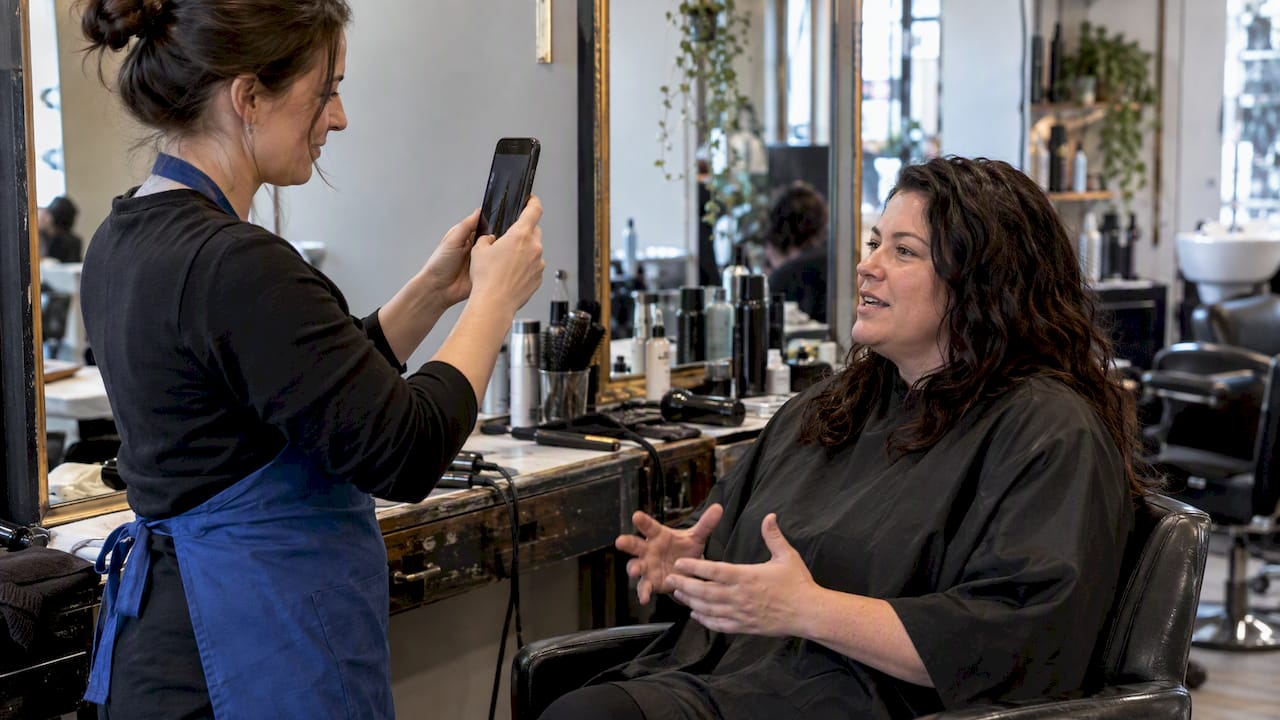
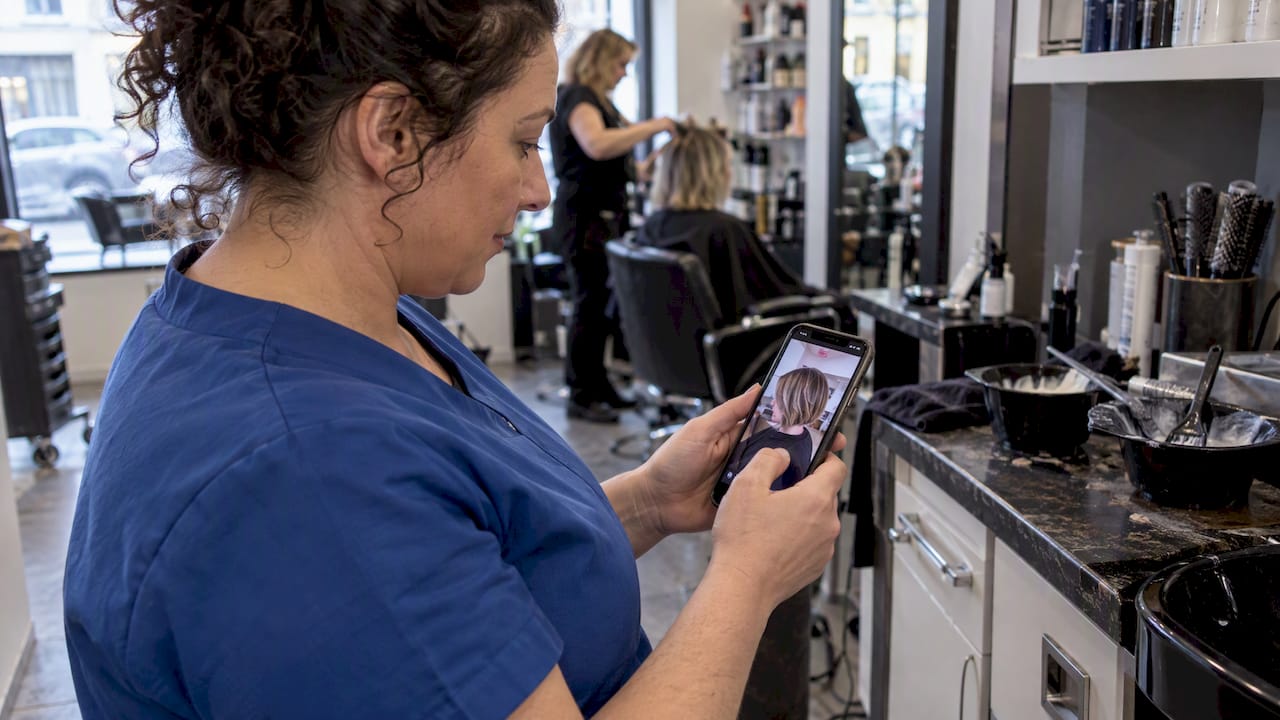
Working with salons and aesthetic clinics has shown a consistent pattern: the businesses that get cited in AI answers are the ones whose service pages state exact specifics up front, not the ones with the most polished design. When a clinic’s page opens with a clear definition of the treatment, the pricing range, and who it’s suited for, that page shows up in AI-generated comparisons far more often than a page that opens with a mission statement.
The biggest single lever we’ve seen move citation rates for local service brands is getting listed and reviewed on trusted third-party directories rather than only publishing on the business’s own site, which lines up with the research on earned citations outperforming owned content.
For a local service business with limited hours to spend on this, prioritize in this order: fix technical access first, rewrite your top five pages with entity-first openings second, and pursue third-party listings and press mentions third. Chasing PR before your own pages are readable by AI crawlers wastes the placement.

How Fast Can You Realistically Move the Needle?
Technical fixes and entity-first rewrites can shift your visibility inside a few weeks, since they remove barriers that were blocking citation entirely. Earning third-party coverage and building a citation trail compounds more slowly, often over several months, because it depends on other publishers’ timelines, not yours.
Two risks deserve real attention. Training-data lag means a model may not “know” about a change you made until its next training cycle, regardless of how fast you fixed it. And AI answers are non-deterministic. The same prompt can return different results on different days, so treat any single test as a data point, not a verdict.
None of this replaces classic SEO. Crawlability, site structure, and a coherent content strategy remain the foundation everything else sits on. GEO tactics extend that foundation. They don’t substitute for it.
— Gerard
How Growthreachmarketing Turns This Playbook Into Results
There are agencies that provide full audits for salons, clinics, and beauty brands to help with AI visibility rather than relying on disconnected tools. Prompt testing across engines, schema and indexing fixes, and a content playbook built around entity-first pages that earned media actually links back to.
An initial audit typically maps your current citation rate against top competitors and flags technical issues blocking AI crawlers before making content changes. Following the audit, a prioritized fix list and content plan are created based on the specific gaps revealed by the prompt set rather than a generic checklist. If Google AI Overviews are where your buyers are searching first, our Google AI Overviews SEO playbook walks through exactly how we approach that platform for local service brands. Businesses can book an audit to identify their AI visibility gaps.
Where to Go Deeper on AI Search Visibility
For hands-on validation of everything covered here, start with Google’s own AI optimization guidance for the technical foundation, then read Aggarwal et al.’s academic study on generative-engine citation lift for the research behind the statistics tactic. Ahrefs’s AI visibility guide covers measurement in more depth than any single article can, and CoreDNA’s AI visibility playbook is the clearest resource on the rendering issues that quietly sink otherwise strong content.
Sources
- Google: AI optimization guidance
- Aggarwal et al. (GEO study) – arXiv
- The Complete AI Visibility Guide for SEOs, Marketers, and Site Owners