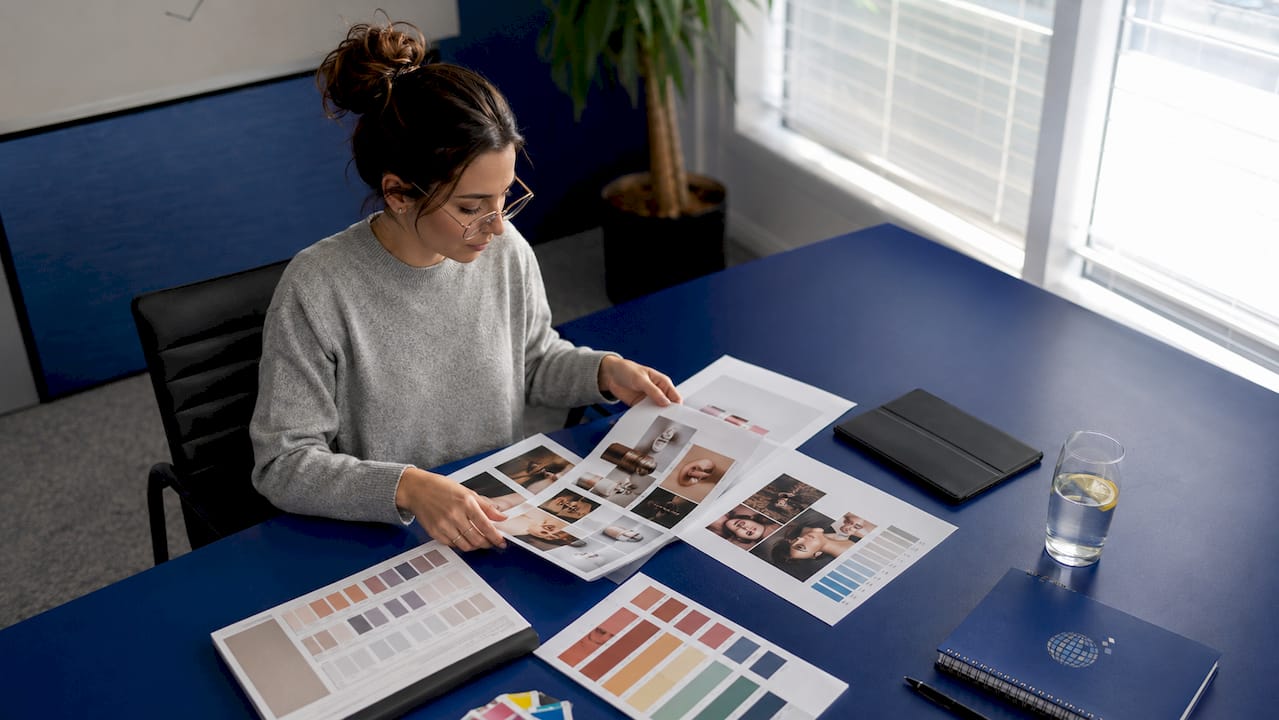
Cosmetic procedure campaigns are structured marketing programs designed to attract, educate, and convert prospective patients for treatments like anti-wrinkle injections, dermal fillers, and laser resurfacing. The types of cosmetic procedure campaigns you choose directly determine which patients you reach and how many book appointments. Anti-wrinkle injections hold 43% of the non-surgical cosmetic market, with dermal fillers at 28%. That market split tells you exactly where campaign budgets should concentrate. Whether you run educational content, testimonial ads, seasonal promotions, or AI-powered experiential formats, each campaign type serves a distinct role in the patient journey.
1. What are educational campaigns and why do they work for cosmetic procedures?
Educational campaigns focus on explaining what a treatment does, how it works, and what results patients can expect. They reduce hesitation by answering the questions prospective patients are already searching for. For complex or newer treatments like laser resurfacing or polynucleotide injections, education is the only way to move someone from curious to confident.
The most effective educational formats include:
- Treatment tutorials: Step-by-step videos showing the procedure from consultation to aftercare
- Ingredient or mechanism explainers: Short-form content breaking down how dermal fillers or neurotoxins work at a cellular level
- Before-and-after education: Content that explains why results look the way they do, not just showing the photos
- FAQ landing pages: Targeting search queries like “how long do lip fillers last” or “is laser resurfacing painful”
Educational campaigns build trust before a patient ever contacts your clinic. They also support every other campaign type by giving paid ads and retargeting audiences a warm, informed base to work with. A patient who has watched three educational videos about anti-wrinkle injections converts at a far higher rate than a cold audience seeing a discount ad for the first time.
Pro Tip: Repurpose one educational video into five assets: a YouTube long-form, an Instagram Reel, a TikTok clip, a blog post, and a paid ad. This multiplies reach without multiplying production costs.
2. How testimonial and user-generated content campaigns boost engagement
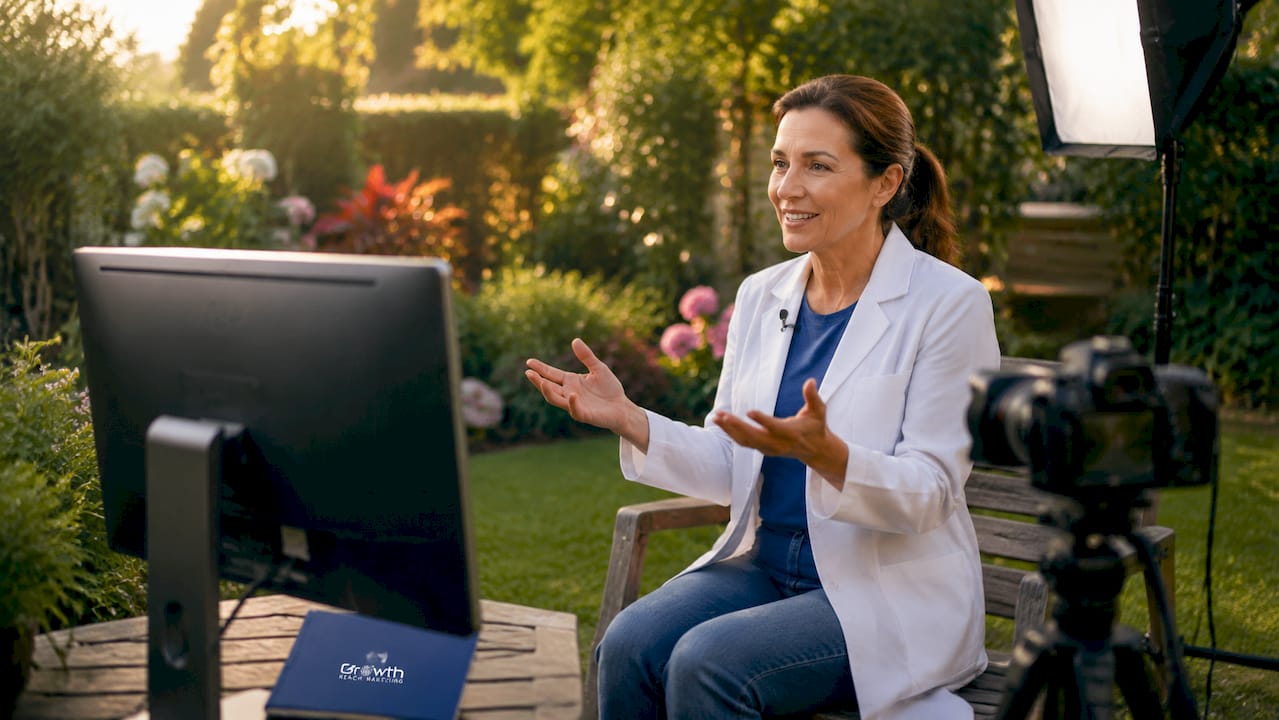
Testimonial campaigns use real patient stories, reviews, and before-and-after content to build social proof. User-generated content (UGC) campaigns extend this by encouraging patients to create and share their own treatment experiences on platforms like TikTok and Instagram.
Real patient videos and demos on TikTok and Instagram drive measurable engagement and new patient acquisition for cosmetic procedures. The reason is simple: prospective patients trust someone who looks like them more than they trust a polished brand ad. Seeing a real person’s lip filler journey from consultation to healed result removes the fear that stops people from booking.
Strategies for building a strong testimonial and UGC campaign:
- Incentivize reviews at the right moment: Ask patients for a video testimonial immediately after they see their results, not weeks later
- Create a branded hashtag: Give patients a simple, memorable tag to use when posting their results on Instagram or TikTok
- Feature UGC in paid ads: Short-form video content showing real treatment results outperforms studio-produced creative in most cosmetic ad accounts
- Repurpose across channels: Use testimonial clips in Google Display ads, email sequences, and landing pages, not just social feeds
The biggest mistake clinics make with UGC is waiting for it to appear organically. Build a system that actively collects it. Train your front desk team to ask every satisfied patient for a photo or video before they leave.
Pro Tip: Mix one polished brand video with three to four raw UGC clips in your ad creative rotation. The raw content typically drives lower cost-per-click and higher engagement, while the polished piece builds brand credibility.
3. What makes promotional campaigns successful for aesthetic clinics?
Promotional campaigns center on limited-time offers, seasonal discounts, and bundled treatment packages. They are the most direct conversion tool in cosmetic marketing, but they work best when used correctly.
The critical rule: discounts are purchase triggers, not awareness hooks. Focusing creative on treatment benefits and using discounts as conversion triggers produces better-qualified leads than leading with price. A patient who books because they understand the value of the treatment stays loyal. A patient who books only because of a discount rarely returns at full price.
A well-structured promotional campaign follows this sequence:
- Awareness phase: Run educational or testimonial content to warm the audience first
- Offer introduction: Present the promotion to people who have already engaged with your content or visited your website
- Retargeting layer: Use Google Ads or Meta retargeting to serve the discount offer to website visitors who did not book
- SEO support: Publish a seasonal landing page targeting search terms like “Valentine’s Day lip filler deals” or “summer laser skin treatment offers” to capture organic traffic alongside paid campaigns
- Urgency close: Use a clear deadline and limited availability messaging to prompt action
Structuring Google Ads with one campaign per procedure increases targeting precision and reduces wasted spend. Pair this with negative keywords to filter out irrelevant searches, and your promotional budget works significantly harder. You can learn more about avoiding paid ad waste before launching your next seasonal push.
Pro Tip: Build your seasonal SEO landing pages at least six weeks before the promotion launches. Google needs time to index and rank the page. A page published the day the offer goes live captures almost no organic traffic.
4. How experiential campaigns engage patients through technology
Experiential campaigns use interactive technology to let prospective patients visualize or simulate a treatment outcome before committing. In cosmetic marketing, this primarily means AI-powered virtual try-on tools and shade-matching technology integrated directly into the marketing funnel.
The numbers behind this approach are significant. AI-powered virtual try-on tools more than double purchase completion rates for cosmetic products. The reason is decision friction. When someone cannot picture what they will look like after lip filler or a brow lift, they delay or abandon the booking entirely. A virtual try-on removes that friction by making the outcome tangible before any commitment is made.
58% of online beauty shoppers cite the inability to try products digitally as their main purchase barrier. That is a majority of your potential patients held back by a problem technology already solves. Clinics that integrate these tools into their websites and paid ad landing pages gain a measurable conversion advantage over those that do not.
Effective experiential campaign placements include:
- Paid ad landing pages: Embed a virtual try-on tool directly on the page where traffic lands from a Google or Meta ad
- Instagram and TikTok filters: Create branded AR filters that simulate treatment results and encourage sharing
- Email sequences: Include a link to an interactive shade finder or treatment simulator in post-inquiry nurture emails
- Post-booking engagement: Send a “preview your results” tool link to patients after they book but before their appointment to reduce cancellations
The role of AI in cosmetic marketing extends beyond try-on tools. AI-driven personalization in email and paid ads now allows clinics to serve different creative to different audience segments automatically, based on browsing behavior and past engagement.
Pro Tip: Pair your virtual try-on tool with a patient testimonial showing the same treatment. The combination of “see yourself” technology and real social proof is more persuasive than either element alone.
5. Comparison of campaign types: which one fits your procedure?
No single campaign type wins across every treatment and audience. The right choice depends on the procedure’s complexity, the patient’s decision timeline, and your clinic’s current brand awareness.
| Campaign type | Best for | Primary platforms | Conversion role |
|---|---|---|---|
| Educational | Complex or new treatments (laser, polynucleotides) | YouTube, Google, blog | Awareness and trust building |
| Testimonial and UGC | High-visibility results (fillers, anti-wrinkle) | TikTok, Instagram, Meta Ads | Engagement and social proof |
| Promotional | Established treatments with proven demand | Google Ads, email, retargeting | Conversion trigger |
| Experiential | Any treatment with a visual outcome | Website, Instagram, landing pages | Decision friction removal |
Full-funnel omnichannel campaigns consistently outperform single-platform tactics in cosmetic marketing. The patient journey moves through discovery, education, and conversion, and each stage requires a different campaign type. A clinic running only promotional ads is skipping the trust-building that makes those promotions convert. A clinic running only educational content is generating awareness without a clear path to booking.
The practical approach for most aesthetic clinics is to run educational and testimonial content continuously as a foundation, then layer promotional and experiential campaigns on top during peak booking periods. For clinics with smaller budgets, prioritize the campaign type that matches where most of your prospective patients currently are in their decision journey. If your area has low awareness of a treatment, start with education. If awareness is high but bookings are low, shift to testimonial and promotional formats.
Continuous creative testing is non-negotiable. Ad fatigue in cosmetic marketing sets in faster than in most industries because the audience is small and highly targeted. Rotate creative every three to four weeks and track which campaign types produce the lowest cost per booked appointment, not just the lowest cost per click. You can explore omnichannel marketing for clinics to understand how to connect these campaign types into a single, coordinated system.
Key takeaways
The most effective cosmetic procedure campaigns match campaign type to treatment complexity, patient decision stage, and platform, then combine multiple formats across a full-funnel system.
| Point | Details |
|---|---|
| Educational campaigns build trust | Use tutorials and FAQ content for complex treatments to reduce booking hesitation. |
| UGC outperforms polished creative | Real patient videos on TikTok and Instagram drive higher engagement and lower ad costs. |
| Promotions need warm audiences | Introduce discounts to retargeted audiences, not cold traffic, for qualified conversions. |
| Virtual try-ons double completions | AI-powered try-on tools remove decision friction and significantly lift booking rates. |
| Full-funnel integration wins | Combining educational, testimonial, promotional, and experiential campaigns outperforms any single format. |
What I have learned about cosmetic campaigns that most guides miss
After working with aesthetic clinics across multiple markets, the pattern I see most often is clinics treating campaign types as separate, competing choices rather than complementary layers. A clinic will run a promotional campaign in february and wonder why it underperforms, not realizing they skipped the six weeks of educational and testimonial content that would have made the promotion land.
The shift toward AI-powered tools and omnichannel funnels is real, and it is accelerating. But the clinics seeing the best results are not the ones with the most sophisticated technology. They are the ones that understand their patient’s decision journey and build content that meets patients at each stage. A virtual try-on tool on a landing page that gets no traffic does nothing. The same tool embedded in a well-structured paid ad funnel with testimonial creative feeding it can transform a clinic’s booking rate.
Creative fatigue is the silent killer of cosmetic ad campaigns. I have seen clinics with strong offers and good targeting watch their cost per booking triple over eight weeks simply because they ran the same creative too long. Build a content calendar that rotates educational, testimonial, and promotional assets on a four-week cycle. Test two to three variations of each format simultaneously. The data will tell you what your audience responds to faster than any strategy document will.
The future of cosmetic procedure marketing belongs to clinics that treat content as infrastructure, not as a one-off campaign. Beauty clinic content marketing that compounds over time, through SEO, social proof, and retargeting, builds a patient acquisition system that does not reset to zero after every campaign ends.
— Gerard
How Growthreachmarketing helps aesthetic clinics build campaigns that book
Growthreachmarketing works with aesthetic clinics and beauty brands to build the kind of full-funnel campaign systems described in this article. From AI-powered SEO and Google Ads to content marketing and lead generation, the team at Growthreachmarketing builds systems designed to attract qualified patients and convert them into booked appointments.
If your clinic is running seasonal promotions without the SEO foundation to support them, you are leaving organic traffic on the table. Growthreachmarketing’s seasonal SEO strategy service helps clinics capture search demand before, during, and after promotional periods. For clinics ready to build a complete search presence, the aesthetic clinic SEO strategy covers everything from local rankings to content authority in 2026.
FAQ
What are the main types of cosmetic procedure campaigns?
The four main types are educational, testimonial and UGC, promotional, and experiential campaigns. Each serves a different stage of the patient decision journey, from awareness to conversion.
Which campaign type works best for anti-wrinkle injections?
Testimonial and UGC campaigns work best for anti-wrinkle injections because the results are highly visible and real patient videos build immediate trust. Anti-wrinkle injections hold 43% of the non-surgical cosmetic market, making social proof the most competitive differentiator.
How do promotional campaigns avoid attracting low-quality leads?
Promotional campaigns produce better-qualified leads when the discount is introduced to warm audiences who have already engaged with educational or testimonial content, rather than being used as the first point of contact with cold traffic.
What is an experiential campaign in cosmetic marketing?
An experiential campaign uses interactive technology, such as AI-powered virtual try-on tools or AR filters, to let prospective patients visualize treatment results before booking. These tools more than double purchase completion rates by removing decision friction.
How often should cosmetic ad creative be rotated?
Cosmetic ad creative should be rotated every three to four weeks to prevent audience fatigue. Running two to three creative variations simultaneously allows you to identify top performers before fatigue sets in.