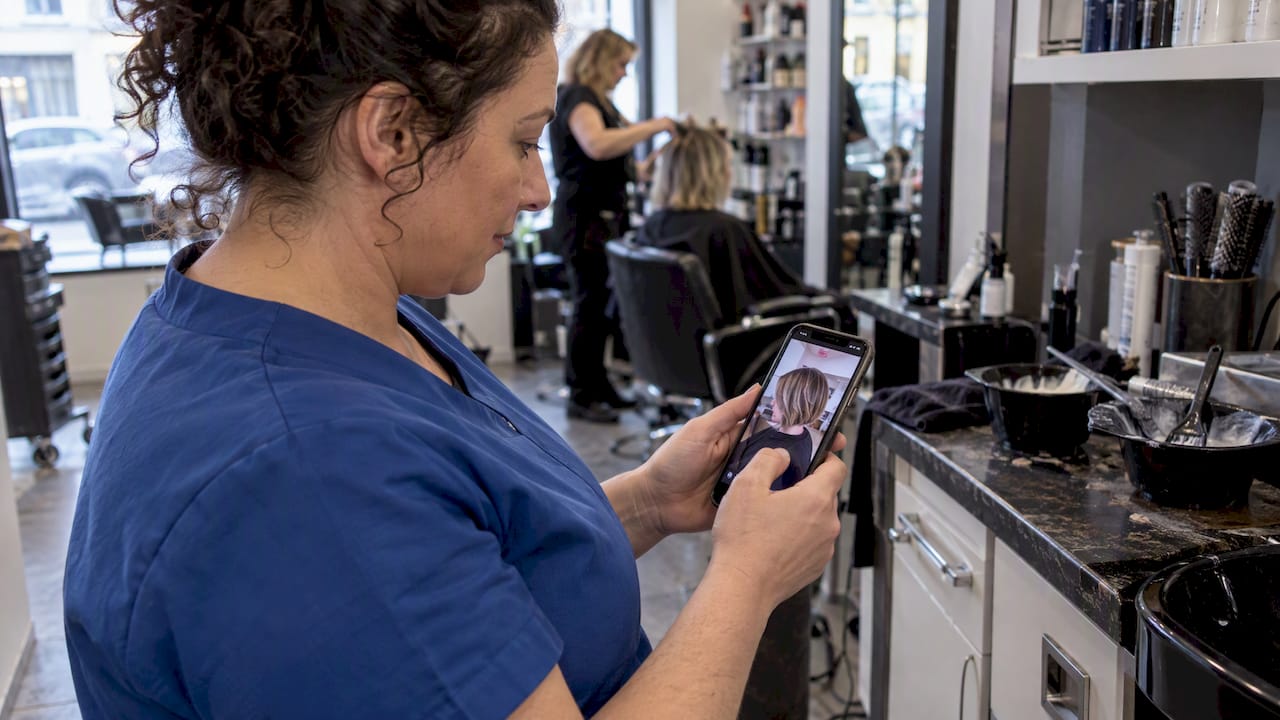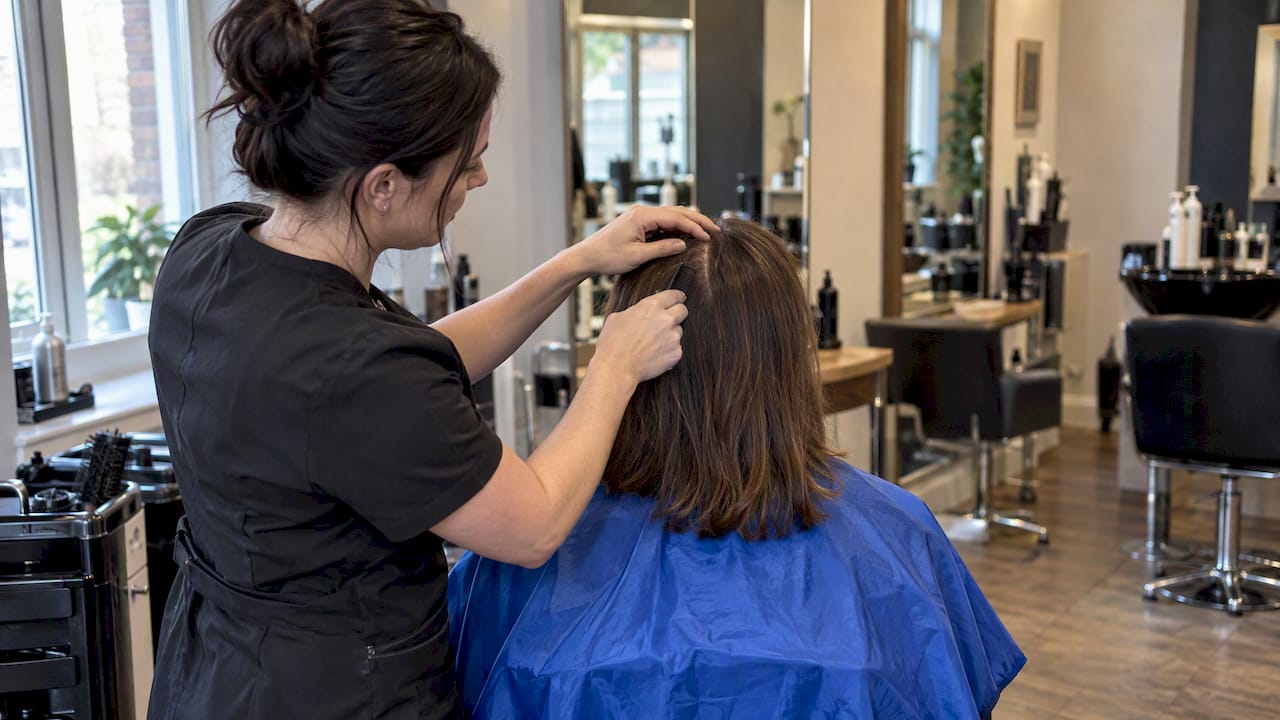
Salon before after photos marketing is the most direct method for converting a curious browser into a booked client. 78% of potential clients check a salon’s Instagram portfolio before booking a stylist. That single fact should shape every decision you make about how you photograph and share your work. This guide covers the exact setup, shooting process, AI preview tools, and social media tactics that turn client makeover images into a steady stream of new appointments.
What do you need to set up for salon before after photos marketing?
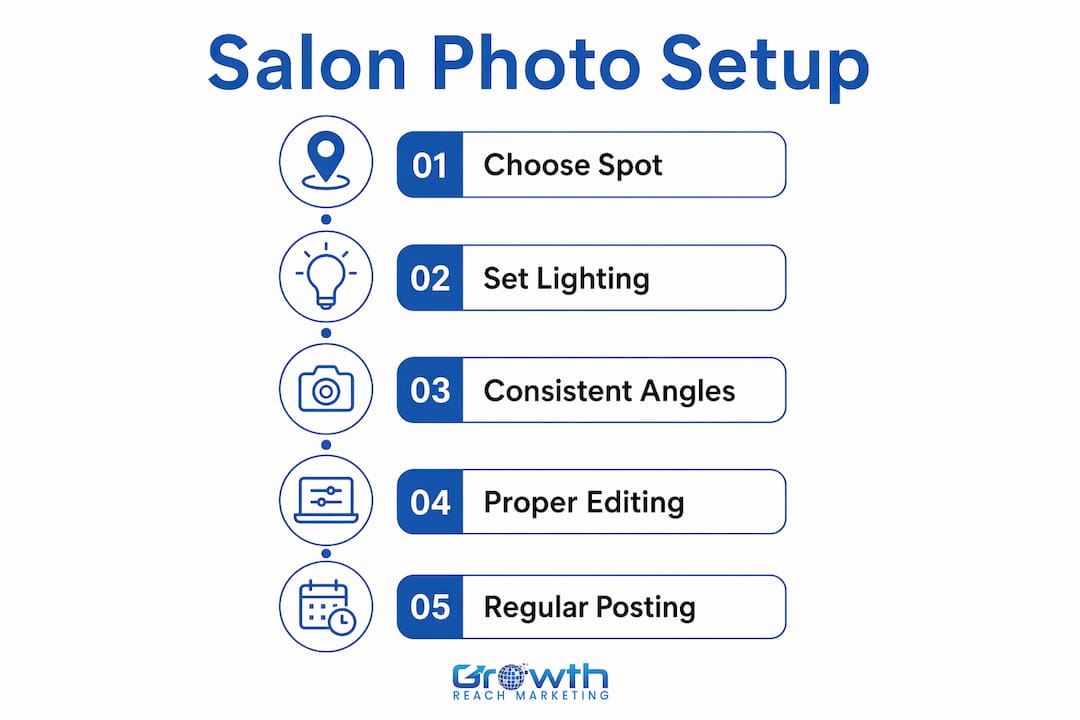
The right equipment is not optional. Inconsistent lighting is the most common mistake in salon transformation photos, and it makes even great work look mediocre or fake.
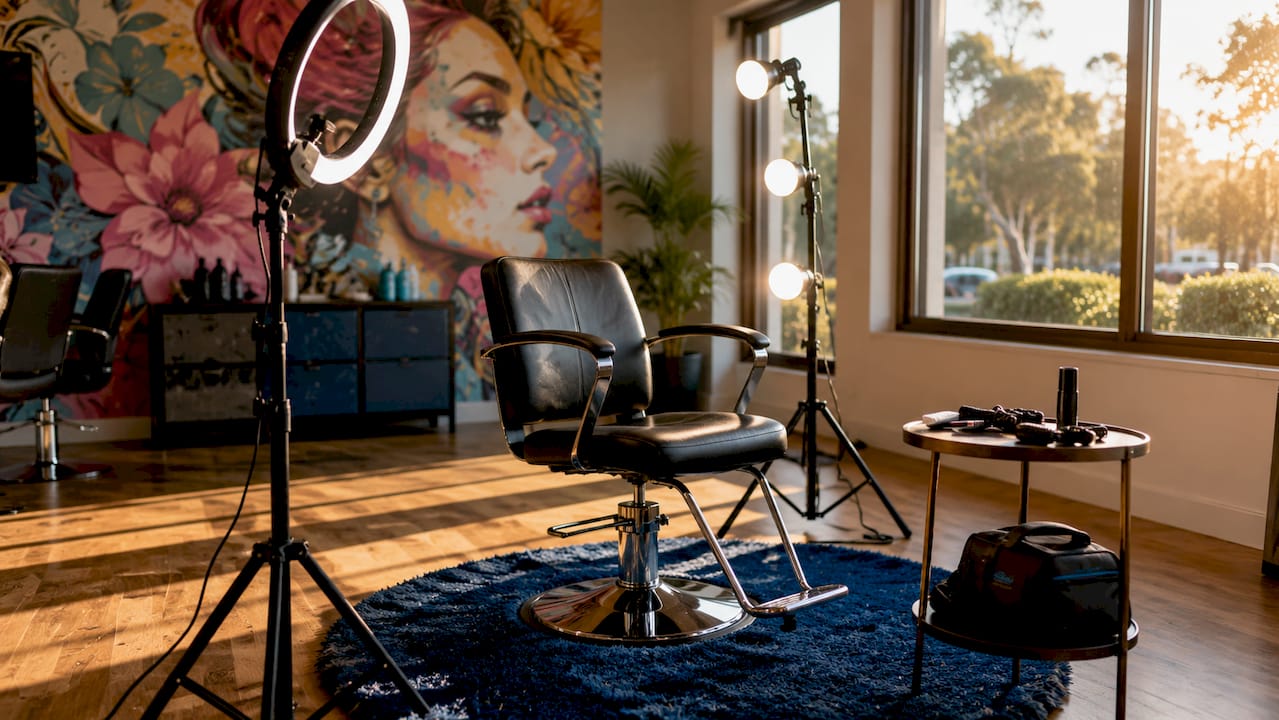
The core equipment list
- Lighting: Daylight-balanced bulbs at 5500K color temperature are the standard. They replicate natural light and eliminate the warm yellow cast that most salon overhead lighting produces. A ring light or a two-panel softbox setup works well for this.
- Camera: A recent iPhone or Samsung Galaxy flagship shoots more than well enough. A mirrorless camera like a Sony ZV-E10 gives you more control if you want it.
- Background: A plain white, gray, or muted backdrop keeps the focus on the hair. Avoid busy salon floors or cluttered styling stations in the frame.
- Positioning markers: Floor tape placed in exact spots for both the stylist and the client is non-negotiable for consistency.
Why a dedicated photo spot changes everything
Professional consistency in angle, lighting, and position can be scaled without hiring a photographer. The trick is marking the floor with tape so every photo is taken from the same distance and angle. This one habit removes the most common reason before and after shots look mismatched.
| Setup Element | Recommended Standard |
|---|---|
| Bulb color temperature | 5000K–5500K daylight balanced |
| Background | Plain white, gray, or neutral muted color |
| Camera distance | Fixed, marked with floor tape |
| Lighting position | Front-facing, even on both sides of the face |
| Ambient light control | Block windows or shoot at consistent times of day |
Pro Tip: Shoot your before photos at the same time of day as your after photos. Natural light from windows shifts throughout the day and will make your results look inconsistent even when your setup is identical.
How do you take consistent and professional salon before-after photos?
Consistency is the word that separates credible transformation content from photos that look staged or misleading. Inconsistent backgrounds or lighting distort the perception of results, which undermines trust before a potential client even reads your caption.
The step-by-step shooting workflow
- Get written consent. Before the service starts, have the client sign a simple photo release. This protects you and sets a professional tone.
- Set up the photo spot. Position the client on the marked floor spot. Check that the lighting is on and the background is clear.
- Shoot the before photos. Take at least four angles: front, side profile, 45-degree angle, and back view. These four angles give a complete picture of the starting point.
- Complete the service. Do not move the lighting or change the background between the before and after shots.
- Return the client to the exact marked spot. Replicate the same four angles. Match the client’s posture and head position as closely as possible.
- Review the pair immediately. Check that the lighting, angle, and framing match before the client leaves.
Common mistakes that kill credibility
- Shooting the before photo under salon overhead lighting and the after photo near a window
- Changing the camera height between shots, which distorts the apparent volume of the hair
- Asking the client to tilt their head differently in the after shot, which makes color look lighter or darker than it is
Pro Tip: Edit for brightness and contrast only. Over-editing before-after photos erodes client trust. Heavy filters or skin smoothing make results look fake, and clients notice.
The goal of every before after hair salon photo is to show the truth of your work clearly. Clients who book based on honest photos arrive with accurate expectations. That reduces chair-side disappointment and increases repeat bookings.
How can AI visual preview tools enhance your salon marketing strategy?
AI-powered visual preview tools generate photorealistic transformation results in under 10 seconds using a client’s own photo. That speed removes the single biggest barrier to booking complex services: uncertainty about the outcome.
What AI previews actually do for your bookings
Clients hesitate to book complex services like hair color because they cannot visualize the result. A stylist describing a balayage in words is far less convincing than showing a client a photorealistic simulation of what their hair will look like afterward. AI preview tools close that gap during the consultation itself.
The practical benefits are direct:
- Clients commit to services they would otherwise decline
- Stylists spend less time managing vague expectations
- Consultation time drops because the visual does the explaining
- Clients share their simulated previews on social media before the appointment, which is free word-of-mouth marketing
Important: AI previews are simulated outcomes, not guaranteed results. Present them honestly as a visualization tool, not a promise. Clients who understand this distinction trust you more, not less.
Tools like Makeover.so and similar AI consultation apps integrate directly into the booking or consultation process. You upload a client photo, select the target style or color, and the tool generates the preview. The client sees the possibility. You close the booking.
This approach also feeds directly into your beauty salon marketing ideas pipeline. Save the AI preview alongside the actual after photo. Post them as a three-panel carousel: the preview, the after, and a caption explaining the process. That format performs well on Instagram because it tells a complete story.
What are the best practices for sharing salon transformation photos on social media?
Before-and-after posts generate 2 to 3 times more engagement than standard salon content. That gap exists because transformation content triggers a specific psychological response. People want to see change. They want proof that the result is real and achievable for them.
Platform-specific tactics that actually work
Instagram is the primary platform for showcasing salon results. Use carousel posts for before-and-after pairs so the viewer swipes to reveal the transformation. Reels work well for time-lapse or process videos that end with the reveal. The Instagram marketing guide from Growthreachmarketing covers the full posting strategy for salons in detail.
Use hashtags that match the service. Relevant hashtags include #beforeandafter and #hairtransformation, along with location-specific tags like #[yourcity]hairstylist. Avoid stuffing 30 generic hashtags. Ten targeted tags outperform thirty irrelevant ones.
| Platform | Best Format | Posting Frequency |
|---|---|---|
| Carousel posts, Reels | 3–5 times per week | |
| Albums, short video clips | 2–3 times per week | |
| Google Business Profile | Photo updates | Weekly |
| Vertical transformation pins | 2–4 times per week |
Timing matters. Post transformation content on tuesday through thursday, when engagement rates on beauty content peak. Avoid monday mornings and friday evenings, when your audience is least likely to be browsing for salon inspiration.
Consent and privacy are non-negotiable. Always get written permission before posting any client photo. Include what platforms the photo will appear on. Some clients are happy to appear on Instagram but not on Facebook. Respect those boundaries and note them in your records.
Beyond social media, add your best transformation photos to your website portfolio page and your Google Business Profile. Avoiding common social media mistakes is just as important as knowing what to post. Growthreachmarketing has a full breakdown of the errors that cost salons followers and bookings. Local listings with fresh photos also improve your local search ranking, which means more clients find you before they ever reach Instagram. The role of Instagram in salon SEO is significant enough that your photo strategy and your search strategy should be planned together, not separately.
Key takeaways
Salon before after photos marketing works when every element, from lighting to posting strategy, is consistent and honest.
| Point | Details |
|---|---|
| Lighting is the foundation | Use 5500K daylight-balanced bulbs to show true color results in every photo. |
| Consistency requires a system | Mark floor positions with tape and shoot the same four angles every time. |
| AI previews reduce booking hesitation | Use AI tools during consultations, but present them as simulations, not guarantees. |
| Social media format drives engagement | Carousel posts and Reels with targeted hashtags outperform single-image posts. |
| Consent protects your business | Get written photo release before every shoot and specify which platforms apply. |
Why I think most salons are leaving their best marketing asset unused
Gerard here. After working with salons and beauty businesses across multiple markets, the pattern I see most often is this: a stylist does genuinely excellent work, takes a quick after photo on their phone, and posts it with no before shot and no context. The result gets a few likes from existing followers and nothing else.
The before photo is the entire point. Without it, the after photo is just a picture of someone’s hair. With it, you have proof. You have a story. You have the thing that makes a stranger stop scrolling and think, “I want that.”
The salons I have seen grow fastest treat their photo setup like a piece of equipment, not an afterthought. They have a corner of the salon dedicated to it. They have a ring light that never moves. They have a consent form on the front desk. That level of consistency is what separates a salon with 200 followers from one with 20,000.
AI preview tools are the next layer, and most salons are not using them yet. The AI simulation tools available now are genuinely impressive. Showing a client what they could look like before they commit is not a gimmick. It is a consultation upgrade that closes bookings and reduces the “it’s not what I expected” conversations that drain everyone’s time.
The one thing I would push back on is the obsession with editing. Raw, well-lit, honest photos outperform heavily filtered ones every time. Clients are not looking for perfection. They are looking for proof.
— Gerard
How Growthreachmarketing helps salons get more from their visual content
Posting great before-and-after photos is step one. Getting those photos found by the right people in your area is step two, and that is where most salons stall.
Growthreachmarketing works with salons to build the full system: photo-driven content strategies, local SEO that puts your Google Business Profile in front of clients searching for your services, and seasonal promotion SEO that connects your best transformation content to the moments when clients are most ready to book. Your before-and-after photos deserve more than an Instagram post. They deserve a strategy that makes them work across every channel where your next client is searching. Growthreachmarketing builds that strategy for salons ready to grow.
FAQ
How often should I post before-and-after photos on Instagram?
Post transformation content 3–5 times per week on Instagram using carousel posts and Reels. Consistent posting keeps your profile active and signals to the algorithm that your account is worth showing to new audiences.
What is the best lighting setup for salon before-after photos?
Use daylight-balanced bulbs at 5000K–5500K color temperature. This range replicates natural light and prevents the warm yellow tones that make hair color look inaccurate in photos.
Do I need a professional camera to take good salon transformation photos?
A recent flagship smartphone like an iPhone or Samsung Galaxy produces professional-quality results. The lighting setup and consistent positioning matter far more than the camera model.
Are AI hair preview tools accurate enough to show clients?
AI preview tools generate photorealistic simulations quickly, but they are not guaranteed outcomes. Present them during consultations as visual guides to help clients understand possibilities, not as promises of exact results.
Do I need client consent before posting before-and-after photos?
Written consent is required before posting any client photo on any platform. Specify which platforms the photo will appear on and keep signed releases on file for every client.
Recommended
- What Is Salon Content Marketing? 2026 Guide – Growth Reach Marketing
- 1780736183123_Salon-owner-planning-marketing-strategies-outdoors – Growth Reach Marketing
- The Role of Instagram in Salon SEO: 2026 Guide – Growth Reach Marketing
- Salon Instagram Marketing Guide for Booking More Clients – Growth Reach Marketing